Mono-ha
もの派 / late 1960s–1970s / 风格 / 近现代艺术运动
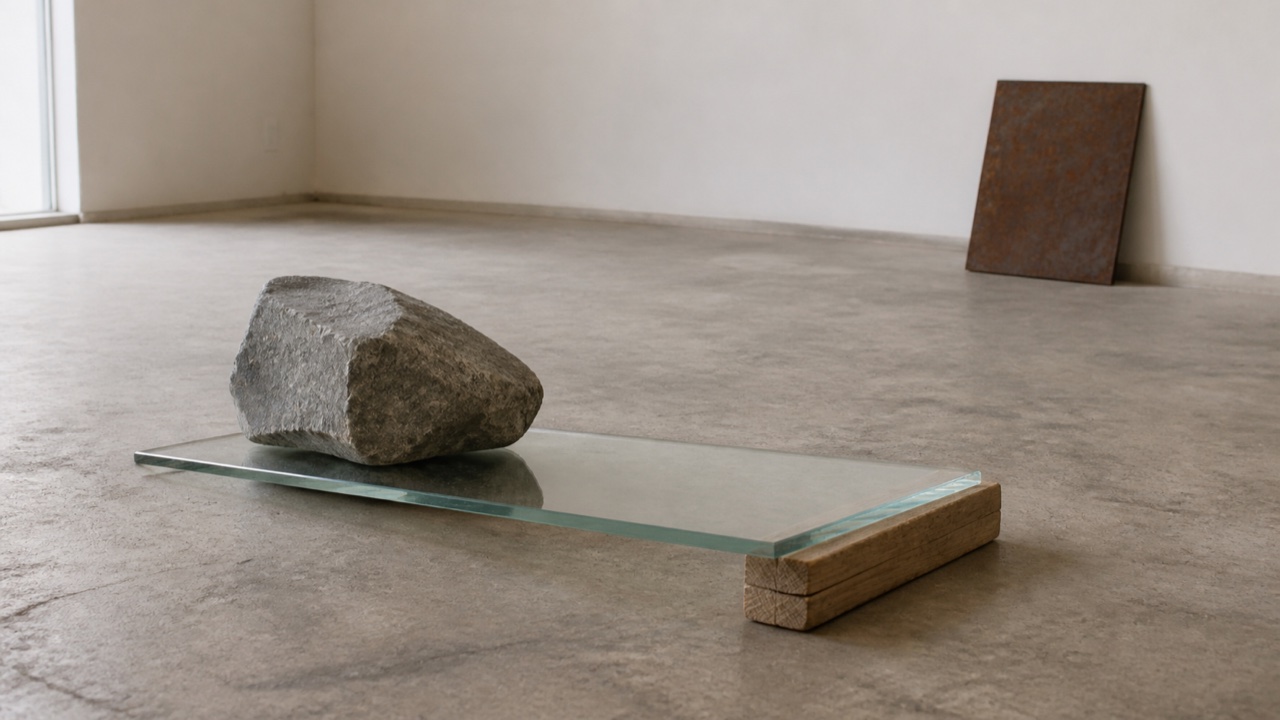
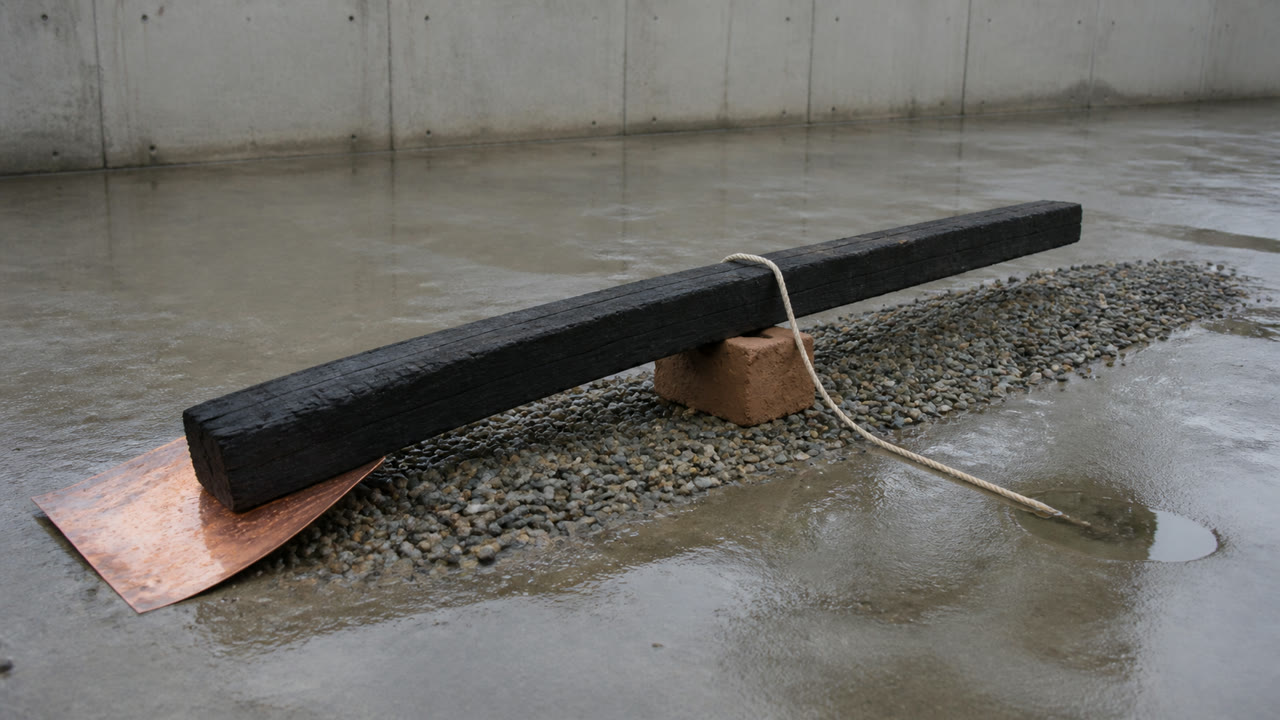
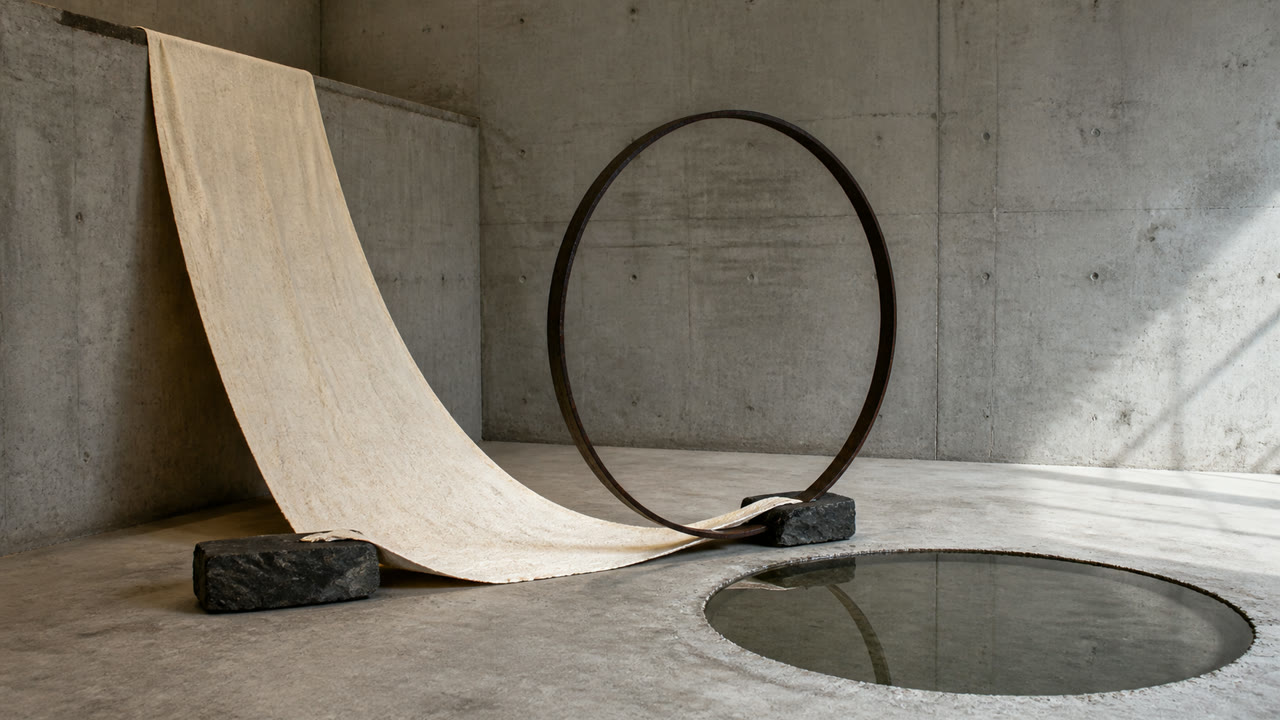
日本倾向,以最小的变化呈现石头、木材、玻璃、钢和棉,以揭示事物、地点、支撑、裂缝和重力的关系,而不是构建一个完整的形状。
快速判断
视觉特征
- 自然和工业材料成对或小组
- 可见的切割、支撑、压力和重力
- 地板与墙壁的接触,取代了坚固的底座
- 未经处理的石头、钢、木材、棉和玻璃
适用场景
- Making contact, support, and weight legible instead of using material as a symbol
- Letting architecture or product displays hold the boundary between natural and industrial matter
使用这一风格
把简短指引带入项目,或将结构化规格交给AI工具。
详细方法与出处制作规则、真实案例、比较、研究与引用格式
辞典词条
- 字体
- Move explanation to the wall and name only the material relation.
- 版面
- Set distance, contact, and center of mass between two materials and keep walk-around space.
- 材料
- Use stone, steel plate, wood, cotton, or glass without cosmetic finishing, concealing only the safety engineering.
- 注意
- Placing a stone is not enough. If the relation among material, placement, and site cannot be stated, it becomes display rather than Mono-ha.
- 延伸阅读
- Lee Ufan and Sekine Nobuo / Phase—Mother Earth and Relatum / encounter, place and material relation
相关词条
- Arte Povera (アルテ・ポーヴェラ)共同感受:Rebellion / Calm。比较Mono-ha与Arte Povera
- Earthwork / Land Art (アースワーク/ランドアート)共同感受:Calm / Rebellion。比较Mono-ha与Earthwork / Land Art
继续浏览近现代艺术运动
从近现代艺术运动中按共同感受优先推荐以下词条。
- Saqqakhaneh (サッカーハーネ派)共同感受:Rebellion / Calm。
- Khartoum School (ハルツーム派)共同感受:Calm / Rebellion。
- Nsukka Group (ンスッカ・グループ)共同感受:Calm / Rebellion。
引用此条目
这部辞典就是用来被链接的。请取用适合你写作场合的那一种形式。
- Link
- https://indexstyle.org/zh/styles/mono-ha
- Markdown
- [Mono-ha — IndexStyle](https://indexstyle.org/zh/styles/mono-ha)
- HTML
- <a href="https://indexstyle.org/zh/styles/mono-ha">Mono-ha — IndexStyle</a>