Mono-ha
もの派 / late 1960s–1970s / Stil / Moderne und zeitgenössische Kunstbewegungen
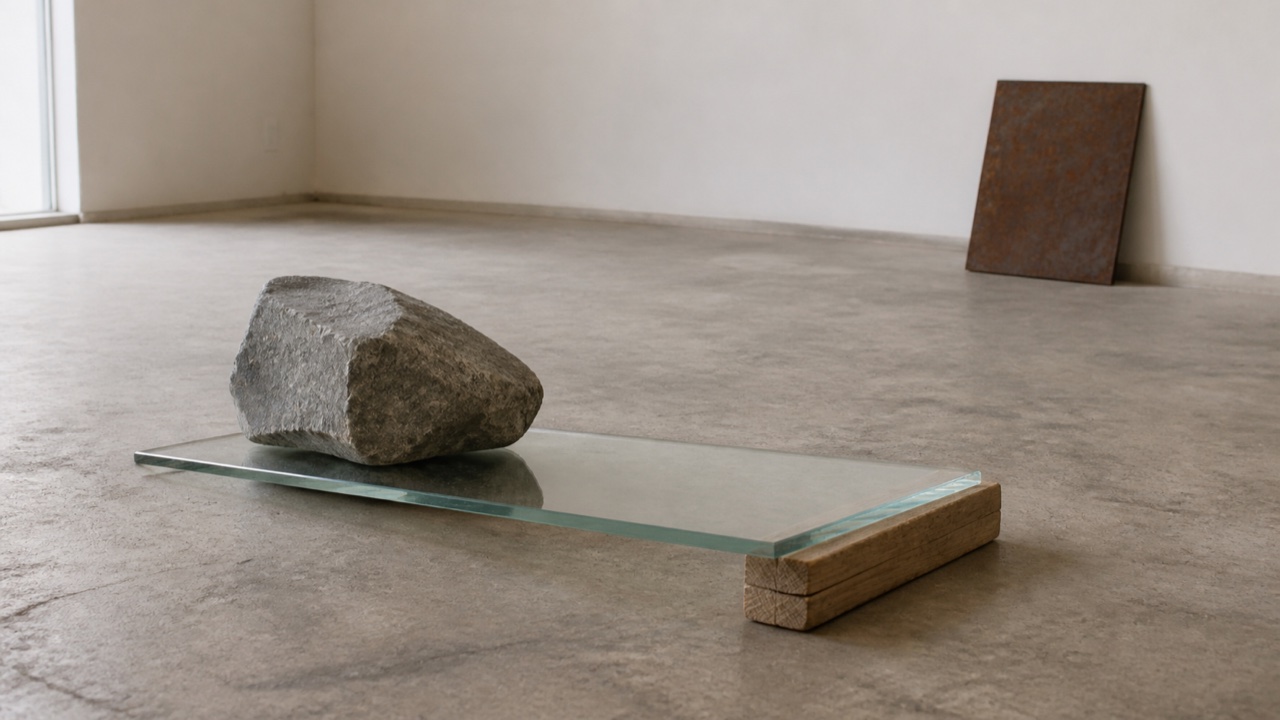
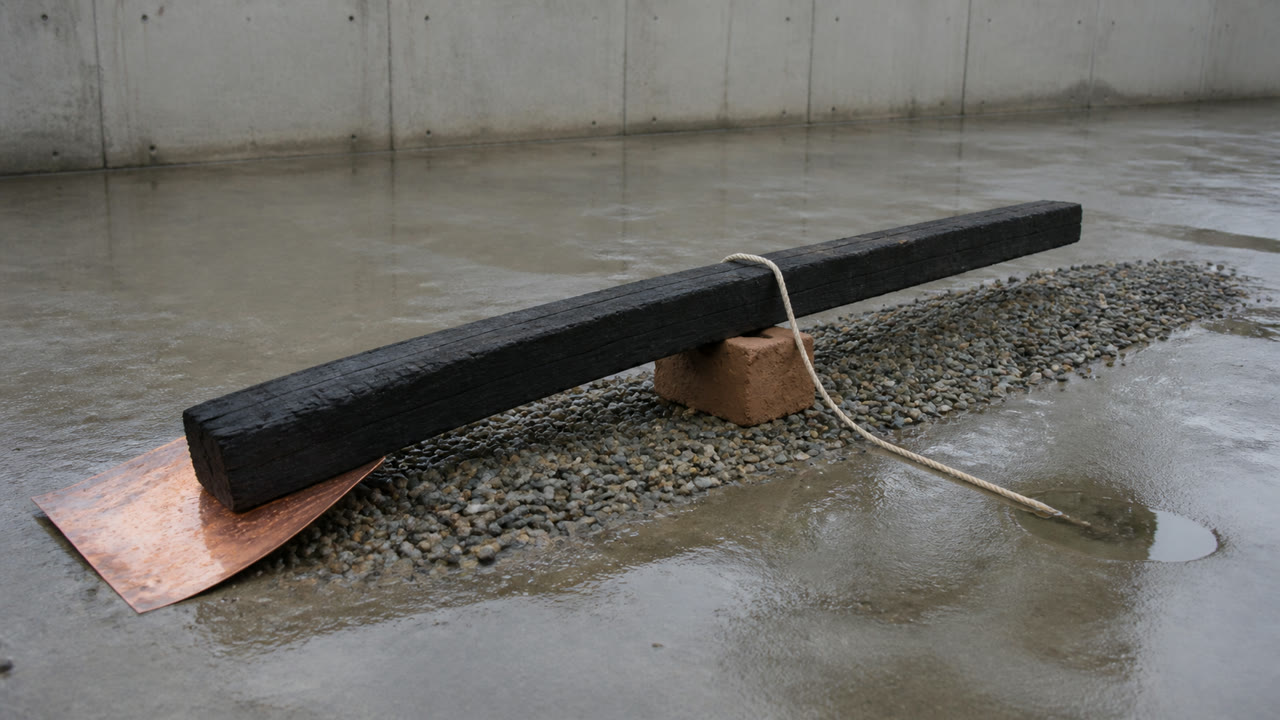
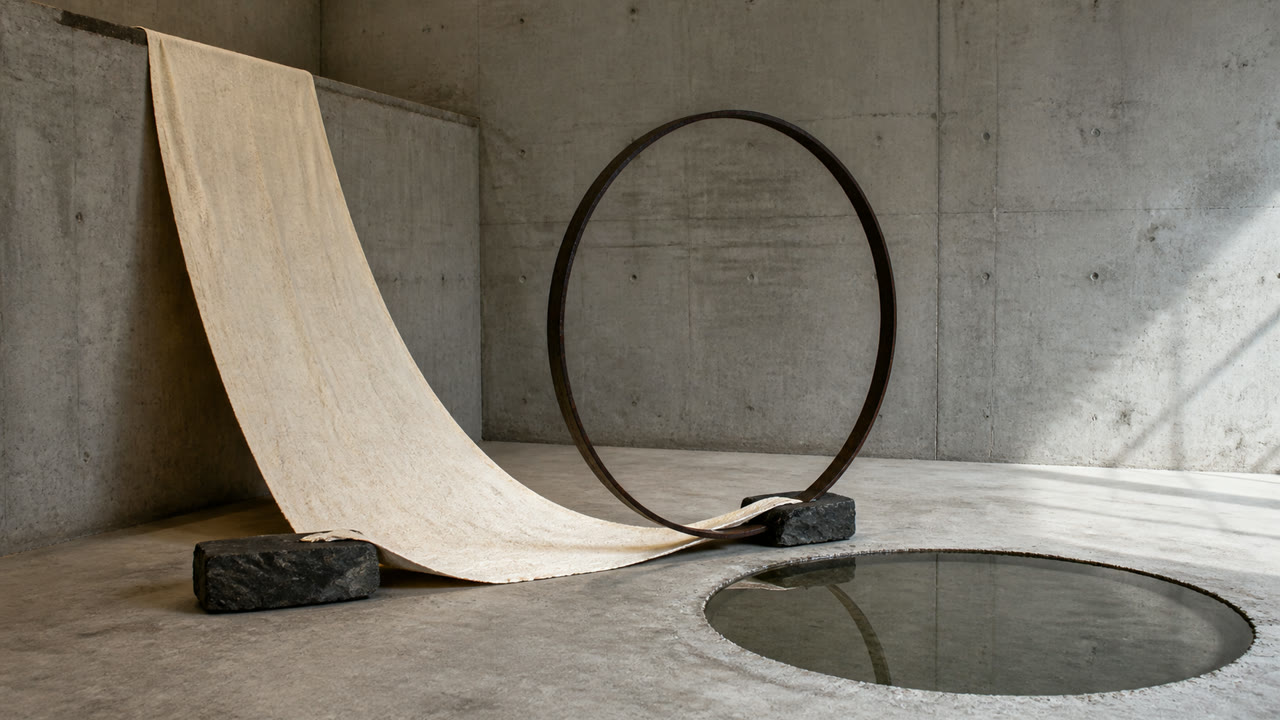
Eine japanische Tendenz, die Stein, Holz, Glas, Stahl und Baumwolle mit minimaler Transformation einsetzte, um Beziehungen zwischen Dingen, Ort, Träger, Bruch und Schwerkraft zu offenbaren, anstatt eine fertige Form zu konstruieren.
Auf einen Blick
Visuelle Merkmale
- Natürliche und industrielle Materialien in Paaren oder kleinen Gruppen
- Sichtbare Schnitte, Träger, Druck und Schwerkraft
- Boden- und Wandkontakt, der einen starken Sockel ersetzt
- Großteils unbearbeiteter Stein, Stahl, Holz, Baumwolle und Glas
Geeignet für
- Making contact, support, and weight legible instead of using material as a symbol
- Letting architecture or product displays hold the boundary between natural and industrial matter
Diesen Stil verwenden
Nutze das Kurzbriefing im Projekt oder übergib die strukturierte Spezifikation an ein KI-Werkzeug.
Ausführliche Anleitung und QuellenProduktionsregeln, Referenzwerke, Vergleiche, Forschung und Zitate
Wörterbucheintrag
- Typografie
- Move explanation to the wall and name only the material relation.
- Komposition
- Set distance, contact, and center of mass between two materials and keep walk-around space.
- Material
- Use stone, steel plate, wood, cotton, or glass without cosmetic finishing, concealing only the safety engineering.
- Zu vermeiden
- Placing a stone is not enough. If the relation among material, placement, and site cannot be stated, it becomes display rather than Mono-ha.
- Zum Weiterlesen
- Lee Ufan and Sekine Nobuo / Phase—Mother Earth and Relatum / encounter, place and material relation
Verwandte Einträge
- Arte Povera (アルテ・ポーヴェラ)Gemeinsame Wirkungen: Rebellion / Calm.Mono-ha und Arte Povera vergleichen
- Earthwork / Land Art (アースワーク/ランドアート)Gemeinsame Wirkungen: Calm / Rebellion.Mono-ha und Earthwork / Land Art vergleichen
Mehr aus Moderne und zeitgenössische Kunstbewegungen
Weitere Stile aus Moderne und zeitgenössische Kunstbewegungen, nach gemeinsamen Wirkungen geordnet.
- Saqqakhaneh (サッカーハーネ派)Gemeinsame Wirkungen: Rebellion / Calm.
- Khartoum School (ハルツーム派)Gemeinsame Wirkungen: Calm / Rebellion.
- Nsukka Group (ンスッカ・グループ)Gemeinsame Wirkungen: Calm / Rebellion.
Alle Einträge aus Moderne und zeitgenössische Kunstbewegungen ansehen
Diesen Eintrag zitieren
Das Wörterbuch ist zum Verlinken gedacht. Nehmen Sie die Form, die dorthin passt, wo Sie schreiben.
- Link
- https://indexstyle.org/de/styles/mono-ha
- Markdown
- [Mono-ha — IndexStyle](https://indexstyle.org/de/styles/mono-ha)
- HTML
- <a href="https://indexstyle.org/de/styles/mono-ha">Mono-ha — IndexStyle</a>