Kinetic Typography
キネティック・タイポグラフィ / 1950s– / 技法 / 字体排印
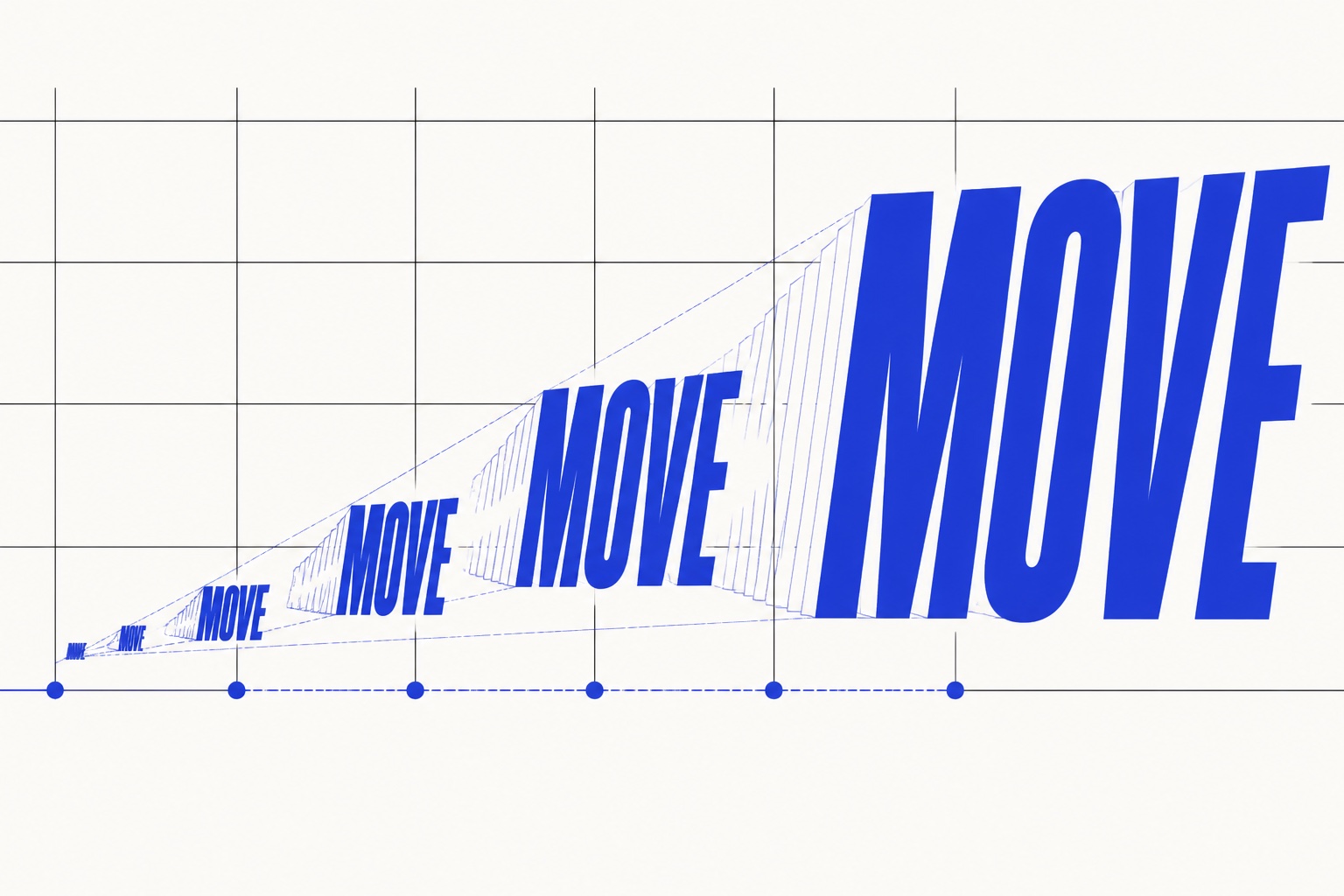
动效排版通过改变位置、速度、比例、形状和时间来构建语气、情感和注意力,沿着时间线进行。文字不是简单的字幕层;其运动本身就具有意义。
%20-%20Opening%20Crawl.jpg)
快速判断
视觉特征
- 根据语音强调的变化调整速度和大小
- 使用单词或字符来调整进入和退出效果
- 使文字的移动与词语的含义相匹配(例如,旅行、旋转或变形)
- 通过保持和阅读顺序构建时间层次结构
适用场景
- Joining tone of voice and moving type in titles, advertising and lyric films
- Adding emotion and emphasis to short explanations or conversations without sound
使用这一风格
把简短指引带入项目,或将结构化规格交给AI工具。
详细方法与出处制作规则、真实案例、比较、研究与引用格式
辞典词条
- 字体
- Break copy into words and syllables, mapping speed, holds and scale changes to what each unit says.
- 版面
- Limit how much is read at once and use the next word's position to preview eye direction.
- 材料
- Move only the necessary axes among position, rotation, scale, tracking, weight and opacity, testing legibility at rest.
- 注意
- When every letter always bounces, motion becomes noise. Keep passages still whenever removing motion would not change meaning.
- 延伸阅读
- CMU Kinetic Typography research / Temporal change and expressive text / Reading time, attention and emotion
相关词条
- Saul Bass Title Design (ソール・バスのタイトルデザイン)共同感受:Exhilaration / Play。比较Kinetic Typography与Saul Bass Title Design
- Concrete Poetry (具体詩/コンクリート・ポエトリー)共同感受:Play。比较Kinetic Typography与Concrete Poetry
引用此条目
这部辞典就是用来被链接的。请取用适合你写作场合的那一种形式。
- Link
- https://indexstyle.org/zh/styles/kinetic-typography
- Markdown
- [Kinetic Typography — IndexStyle](https://indexstyle.org/zh/styles/kinetic-typography)
- HTML
- <a href="https://indexstyle.org/zh/styles/kinetic-typography">Kinetic Typography — IndexStyle</a>