Databending
データベンディング / 2000s– / Technique / Digital Image Techniques
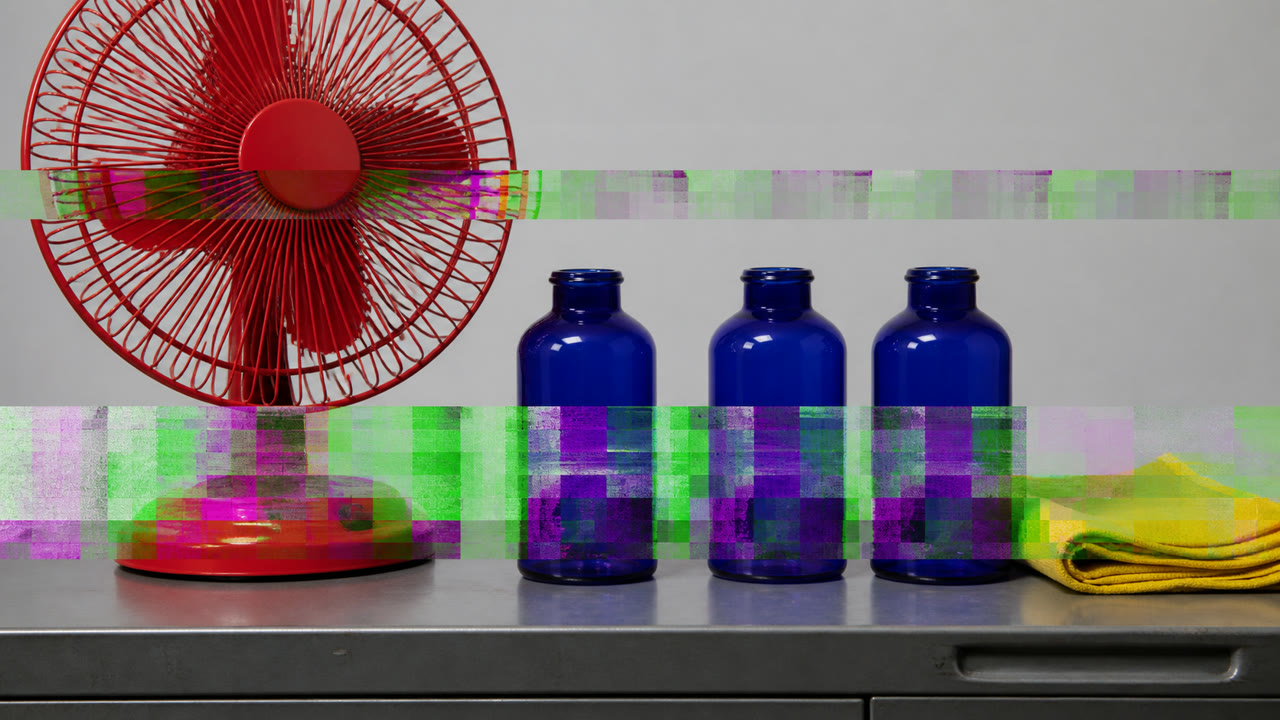
Databending edits image or sound files with tools not intended for their format, turning a decoder's misreading into the work; file structure, compression and edit position determine its bands and color shifts.


At a glance
Visual cues
- Sections of an image displaced into horizontal bands
- Separated color channels and unexpected saturation
- Local compression blocks that leave the source visible
- Row-like fractures repeating from the edit point
Best used for
- Showing the fragility and format-dependence of digital files through the damaged image
- Colliding source imagery with decoder error in video, covers and posters
Use this style
Take the compact brief into a project or hand the structured version to an AI tool.
Detailed guidance and sourcesProduction rules, reference works, comparisons, research and citation formats
Dictionary entry
- Type
- Add copy after bending, or displace only part of a duplicate headline along the same axis.
- Composition
- Preserve one identifiable point and use the fracture direction as a compositional axis.
- Material
- Duplicate the file, protect its header and edit only payload data through another format's editor.
- Caution
- A glitch overlay is not databending. The way one format was deliberately misread must determine the result.
- Further study
- Raw data editing / File headers and payload / Compression artifacts as material
Related entries
- Glitch (グリッチ)Shared effects: Rebellion / Technique.Compare Databending and Glitch
- Datamosh (データモッシュ)Same Digital Image Techniques lineage.Compare Databending and Datamosh
More from Digital Image Techniques
Continue through styles in the same Digital Image Techniques family, prioritised by shared effects.
- Pixel Sorting (ピクセルソーティング)Shared effects: Technique / Rebellion / Play.
- Pixel Art (ピクセルアート)Shared effects: Play / Technique.
- Isometric Pixel Art (アイソメトリック・ピクセルアート)Shared effects: Play / Technique.
Browse all Digital Image Techniques entries
Cite this entry
The dictionary is meant to be linked to. Take whichever form fits where you are writing.
- Link
- https://indexstyle.org/styles/databending
- Markdown
- [Databending — IndexStyle](https://indexstyle.org/styles/databending)
- HTML
- <a href="https://indexstyle.org/styles/databending">Databending — IndexStyle</a>