Ant Design
Ant Design / 2015– / Style / Platform Screen Languages
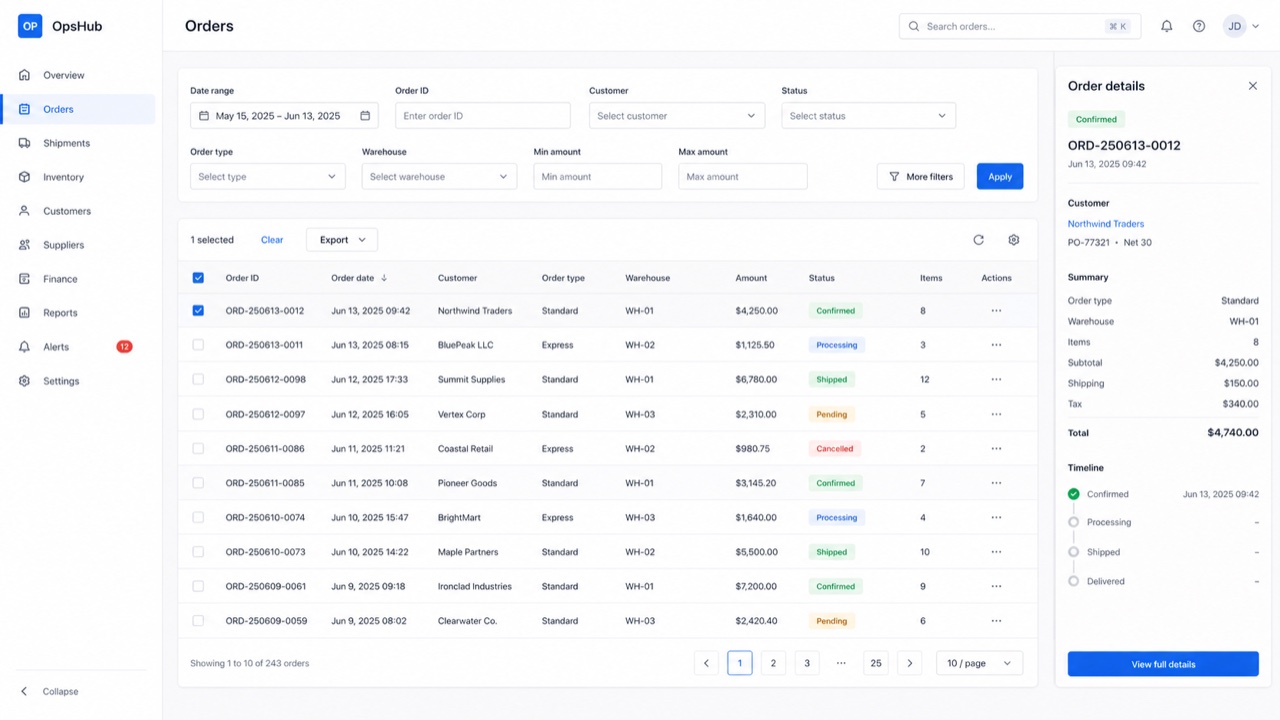
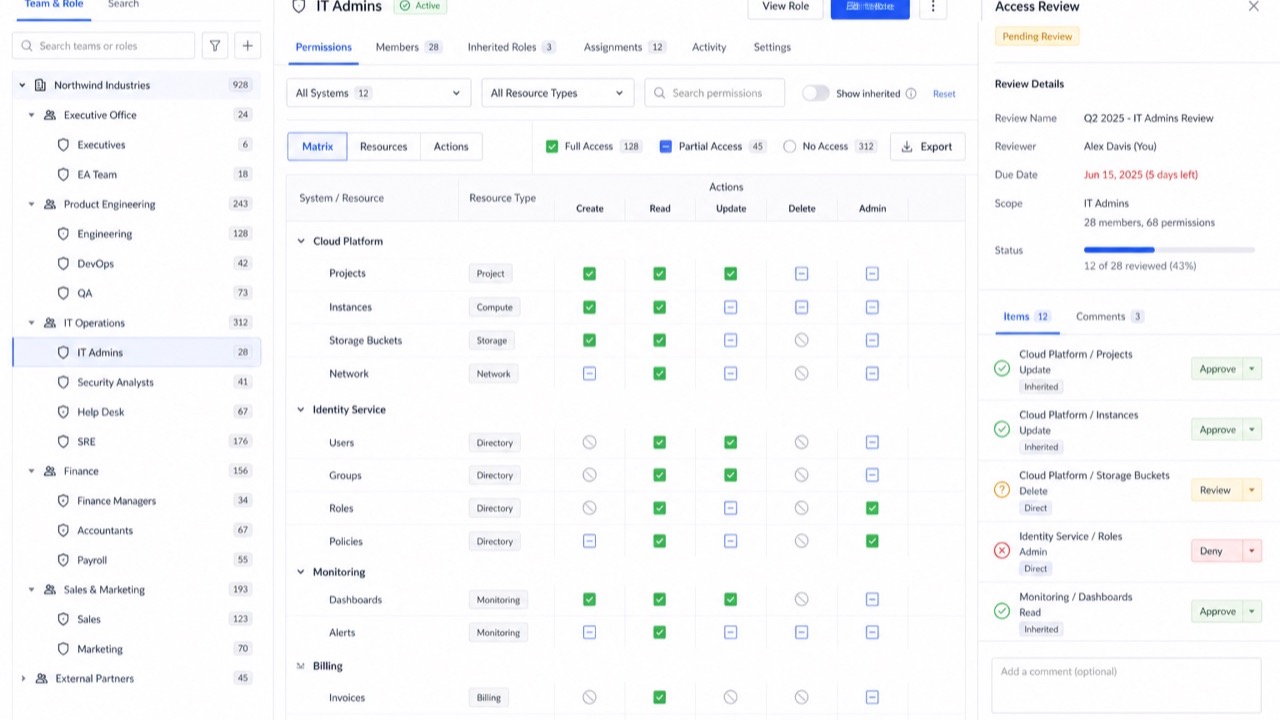
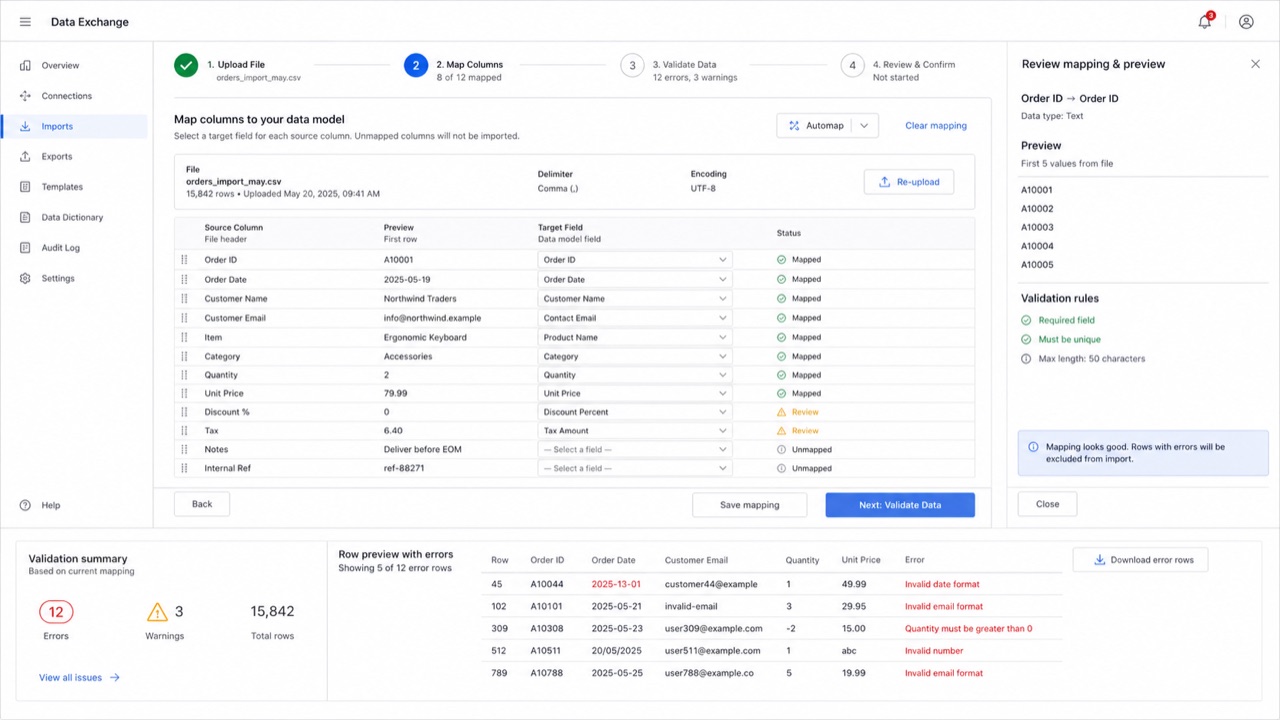
A design system that keeps enterprise web applications at low entropy through reusable components and page patterns. Its values — Natural, Certain, Meaningful and Growing — systematize tables, forms, hierarchy and state without reducing information density.
At a glance
Visual cues
- Dense tables set in small type and fine rules
- Blue primary actions with explicit semantic colors
- Consistent forms, pagination, trees and tables
- Readability achieved through alignment and repetition, not generous space
Best used for
- Enterprise admin screens with many tables, forms, permissions and states
- Standardizing component behavior and exceptions in international products
Use this style
Take the compact brief into a project or hand the structured version to an AI tool.
Detailed guidance and sourcesProduction rules, reference works, comparisons, research and citation formats
Dictionary entry
- Type
- Keep body text compact and separate labels, values and help text through weight and color.
- Composition
- Set table and form columns first; show relationships through alignment rather than extra space.
- Material
- Start with white, fine borders and a blue primary action; hold every state color to one meaning.
- Caution
- A component catalog dropped onto a page can look orderly while leaving the actual workflow undesigned.
- Further study
- Natural, Certain, Meaningful and Growing / Enterprise-class component patterns / Theming and internationalization
Related entries
- GitHub Primer (GitHub Primer)Same Platform Screen Languages lineage.Compare Ant Design and GitHub Primer
- Fluent 2 (フルーエント2)Shared effects: Trust / Technique.Compare Ant Design and Fluent 2
More from Platform Screen Languages
Continue through styles in the same Platform Screen Languages family, prioritised by shared effects.
- Motif (モチーフ)Shared effects: Technique / Trust.
- OPEN LOOK (オープンルック)Shared effects: Technique / Trust.
- Adwaita (アドワイタ)Shared effects: Technique / Trust.
Browse all Platform Screen Languages entries
Cite this entry
The dictionary is meant to be linked to. Take whichever form fits where you are writing.
- Link
- https://indexstyle.org/styles/ant-design
- Markdown
- [Ant Design — IndexStyle](https://indexstyle.org/styles/ant-design)
- HTML
- <a href="https://indexstyle.org/styles/ant-design">Ant Design — IndexStyle</a>