Transavantgarde
トランスアヴァングァルディア / late 1970s–1980s / Estilo / Movimientos de arte moderno y contemporáneo
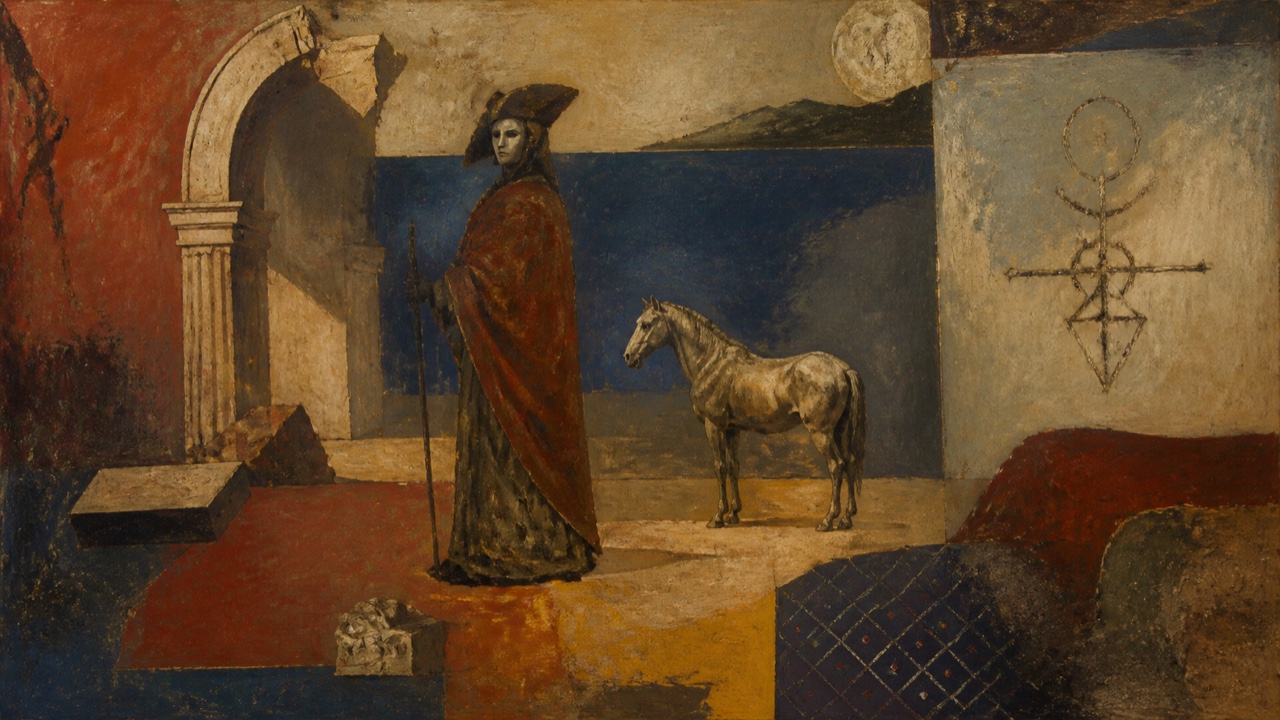
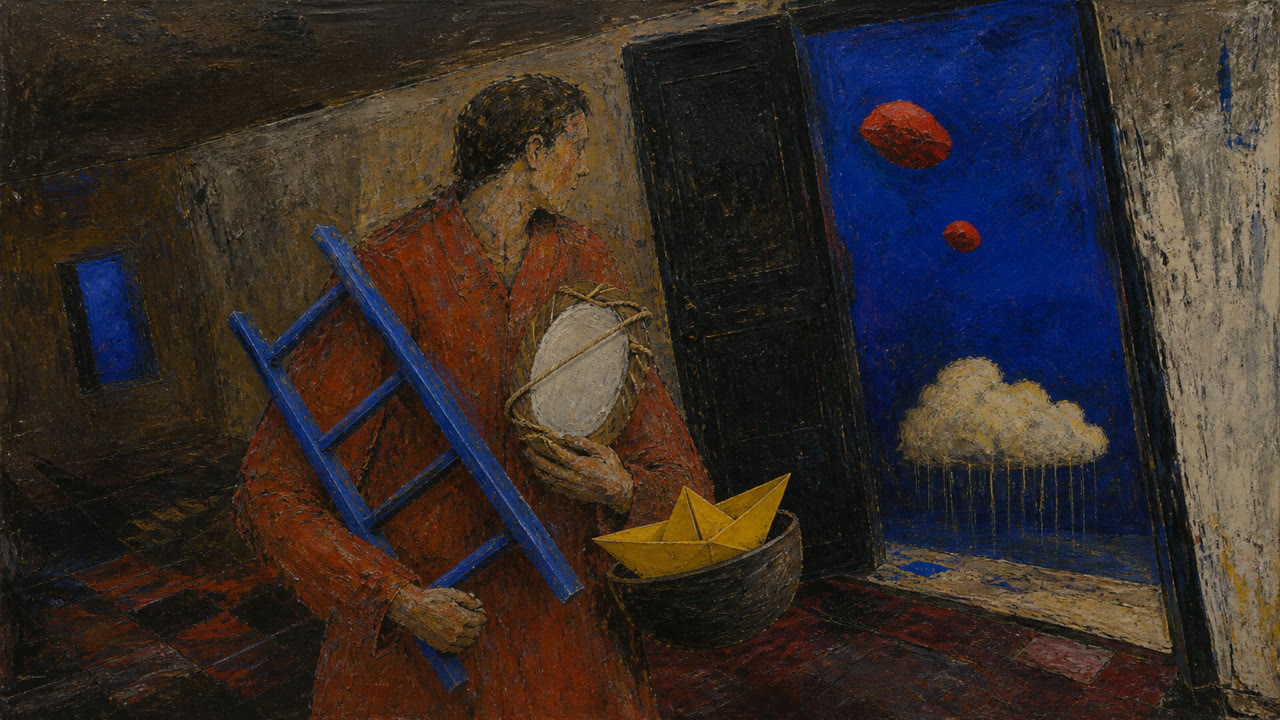
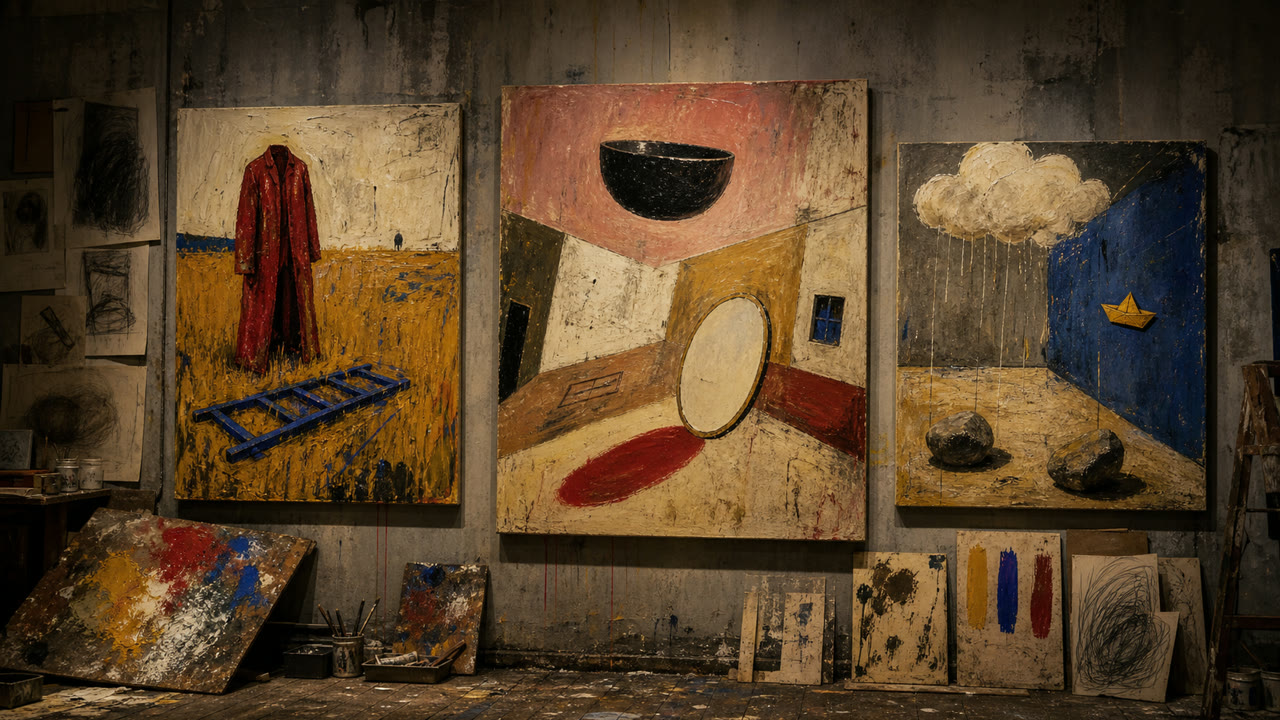
Un regreso italiano a la pintura de finales de los setenta que cruzó mito, clasicismo, signos personales y pincelada enérgica después del arte conceptual, tratando la historia como campo subjetivo al que puede entrarse desde varias épocas a la vez.
De un vistazo
Rasgos visuales
- Grandes figuras míticas, animales y máscaras simplificados
- Marcas gruesas que enfrentan colores tierra con primarios
- Símbolos clásicos, folk y privados juntos
- Figuras aisladas en espacio poco profundo o desestabilizado
Usos idóneos
- Repositioning classical and mythic images as private signs rather than revival
- Comparing Italy's return to painting with German and American Neo-Expressionism
Usar este estilo
Lleva el resumen al proyecto o entrega la especificación estructurada a una herramienta de IA.
Guía detallada y fuentesReglas de producción, obras de referencia, comparaciones, investigación y citas
Entrada del diccionario
- Tipografía
- Use one classical serif and one handwritten phrase, citing every quotation.
- Composición
- Offset an isolated figure or animal and scatter signs from different eras across a shallow ground.
- Material
- Layer thick earth, red, and blue on rough canvas and preserve redrawn contours.
- Precaución
- Expressionist brushwork alone does not identify it. Keep the Italian context, historical quotation, and turn away from Conceptual art.
- Para profundizar
- Achille Bonito Oliva and the term Transavanguardia / Sandro Chia, Francesco Clemente and Enzo Cucchi / the return to painting in late-1970s Italy
Entradas relacionadas
- Neo-Expressionism (新表現主義)Efectos compartidos: Exhilaration / Nostalgia / Rebellion.Comparar Transavantgarde y Neo-Expressionism
- Return to Order (秩序への回帰)Efectos compartidos: Nostalgia.Comparar Transavantgarde y Return to Order
Más de Movimientos de arte moderno y contemporáneo
Continúa con estilos de Movimientos de arte moderno y contemporáneo, priorizados por sus efectos compartidos.
- Casablanca Art School (カサブランカ美術学校)Efectos compartidos: Rebellion / Exhilaration.
- Progressive Artists' Group (プログレッシヴ・アーティスツ・グループ)Efectos compartidos: Rebellion / Exhilaration.
- Viennese Actionism (ウィーン・アクショニズム)Efectos compartidos: Rebellion / Exhilaration.
Ver todas las entradas de Movimientos de arte moderno y contemporáneo
Citar esta entrada
El diccionario existe para que se enlace. Toma la forma que encaje donde estés escribiendo.
- Link
- https://indexstyle.org/es/styles/transavantgarde
- Markdown
- [Transavantgarde — IndexStyle](https://indexstyle.org/es/styles/transavantgarde)
- HTML
- <a href="https://indexstyle.org/es/styles/transavantgarde">Transavantgarde — IndexStyle</a>