ZERO
ZERO / 1957–1966 / 风格 / 战后抽象绘画
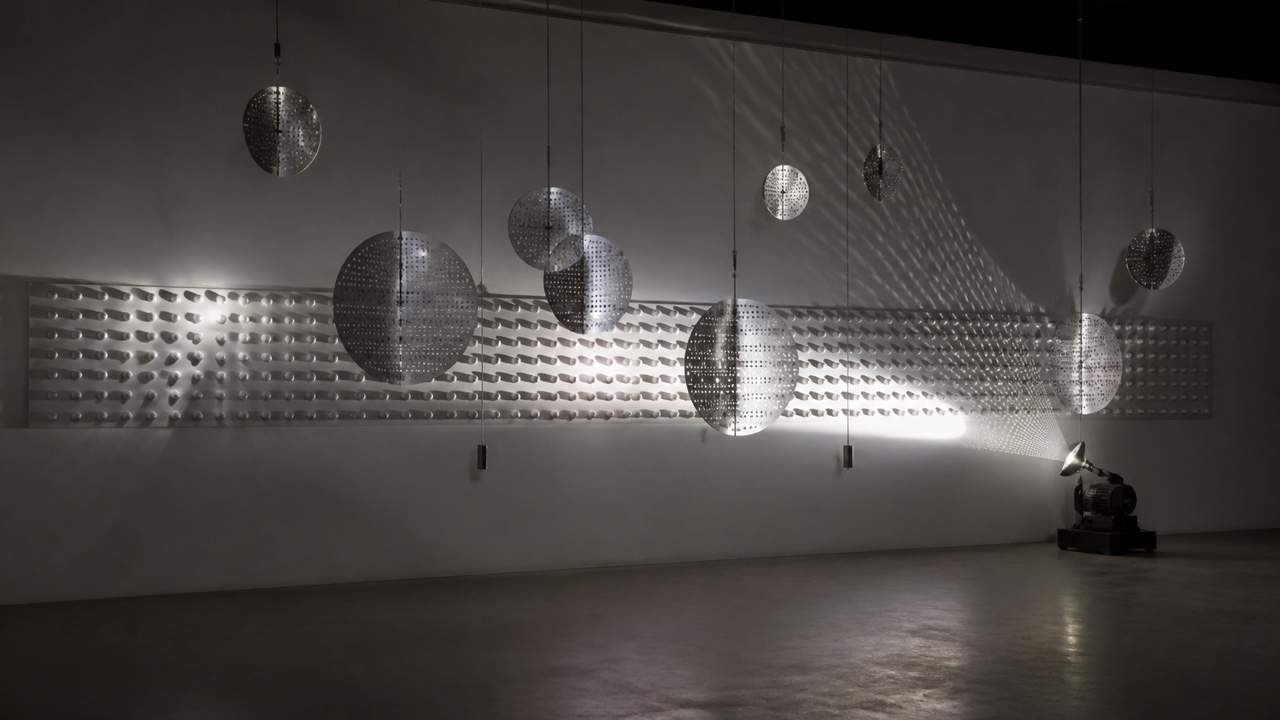
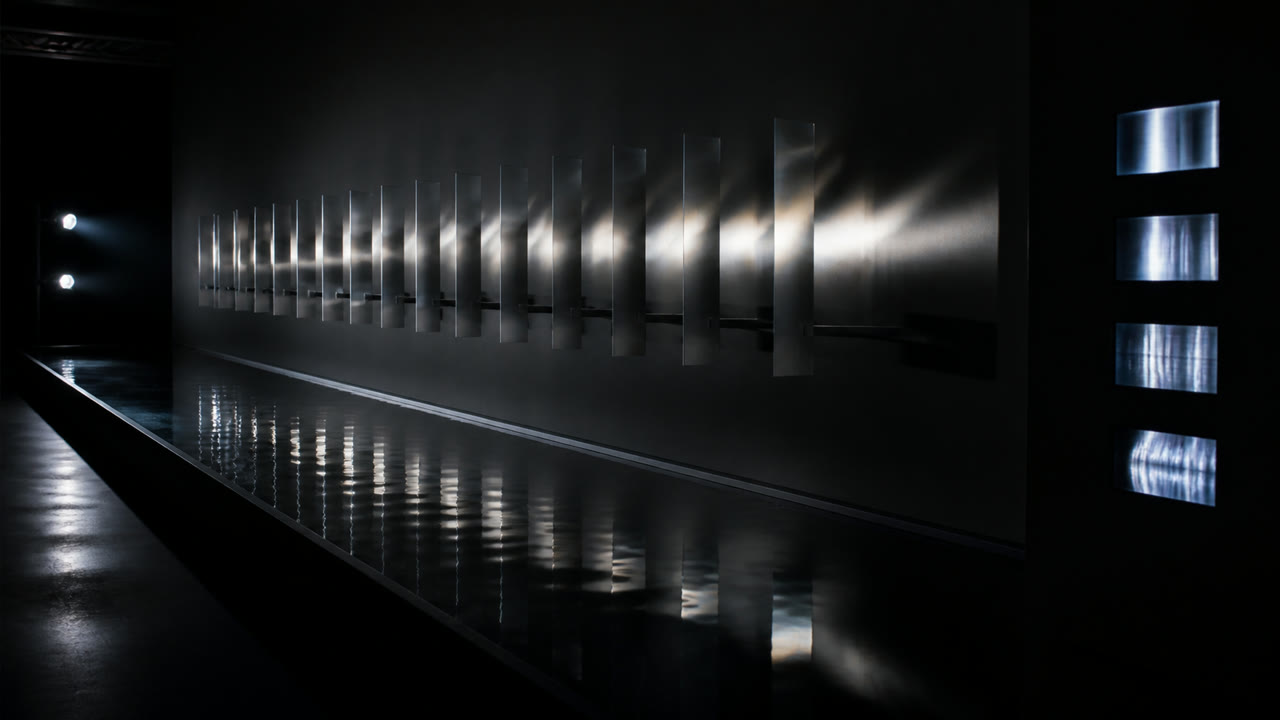
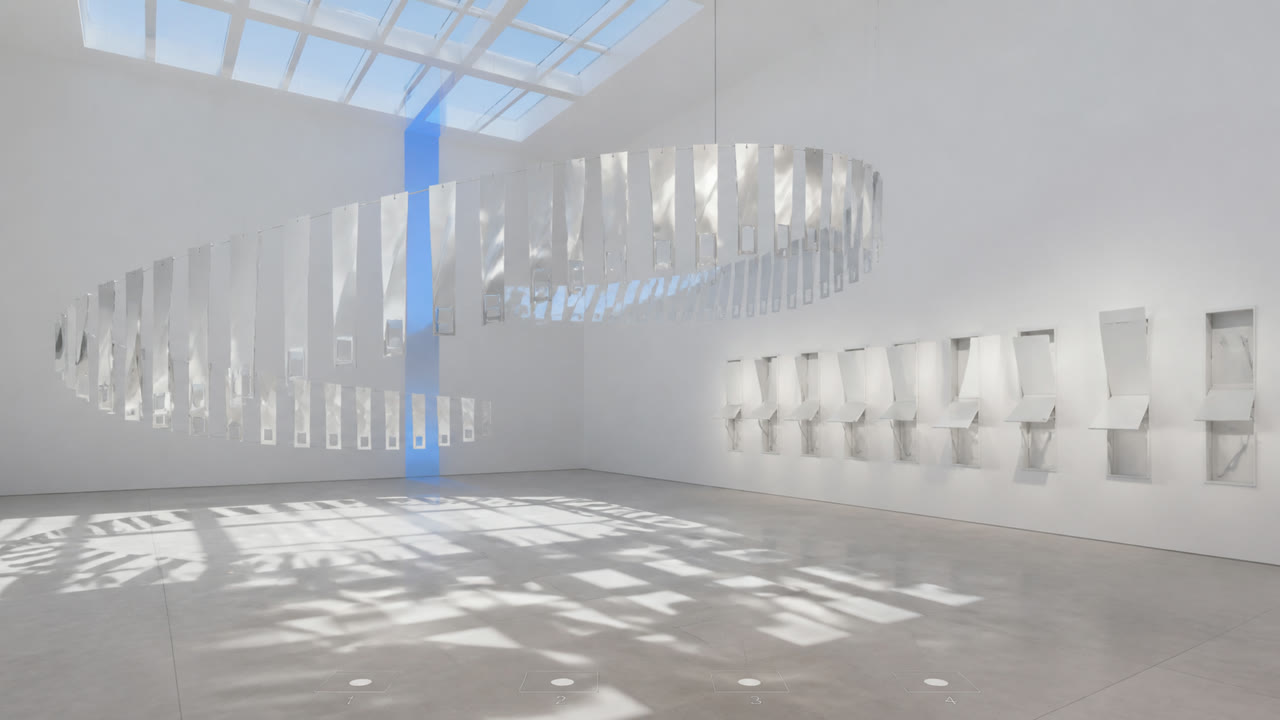
国际性的战后网络,从一个‘零点’重新启动,用单色重复、光、火焰、空气和运动来取代手势绘画,使物理现象和观众的动作成为作品。
快速判断
视觉特征
- 在白色、银色或黑色中重复的表面
- 金属、镜子和浮雕在光线下变化
- 通过电机、空气或火焰进行实时变化
- 对点、孔、盘或网格的均匀重复
适用场景
- Designing exhibitions that change as light and the viewer move
- Making repeated components and physical phenomena primary instead of the artist's brushmark
使用这一风格
把简短指引带入项目,或将结构化规格交给AI工具。
详细方法与出处制作规则、真实案例、比较、研究与引用格式
辞典词条
- 字体
- Use small widely spaced geometric sans-serif away from moving surfaces.
- 版面
- Repeat one component regularly and leave enough oblique circulation for reflected light to change.
- 材料
- Combine white relief, polished metal, mirrors, point light, and slow motors with heat and wiring safely isolated.
- 注意
- Do not collapse ZERO into white Minimalism; light, motion, phenomena, and its international network are central.
- 延伸阅读
- Heinz Mack, Otto Piene and Günther Uecker / ZERO magazine and international networks / light, fire, movement and postwar renewal
相关词条
- Kinetic Art (キネティック・アート)共同感受:Technique。比较ZERO与Kinetic Art
- Spatialism (スパツィアリズモ)共同感受:Calm。比较ZERO与Spatialism
继续浏览战后抽象绘画
从战后抽象绘画中按共同感受优先推荐以下词条。
- Dansaekhwa (単色画(ダンセクファ))共同感受:Calm / Technique。
- Color Field Painting (カラーフィールド・ペインティング)共同感受:Calm。
- Art Informel (アンフォルメル)共同感受:Technique。
引用此条目
这部辞典就是用来被链接的。请取用适合你写作场合的那一种形式。
- Link
- https://indexstyle.org/zh/styles/zero-group
- Markdown
- [ZERO — IndexStyle](https://indexstyle.org/zh/styles/zero-group)
- HTML
- <a href="https://indexstyle.org/zh/styles/zero-group">ZERO — IndexStyle</a>