Return to Order
秩序への回帰 / 1918–1930s / 양식 / Figurative Painting
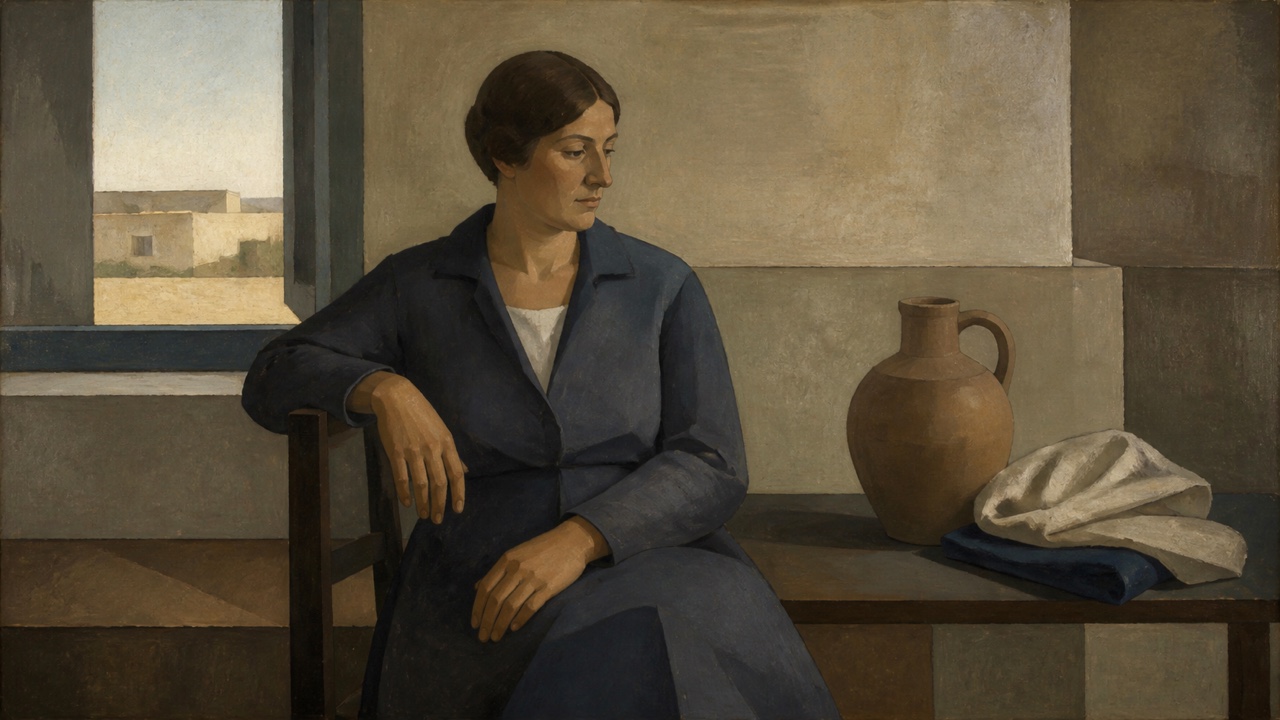
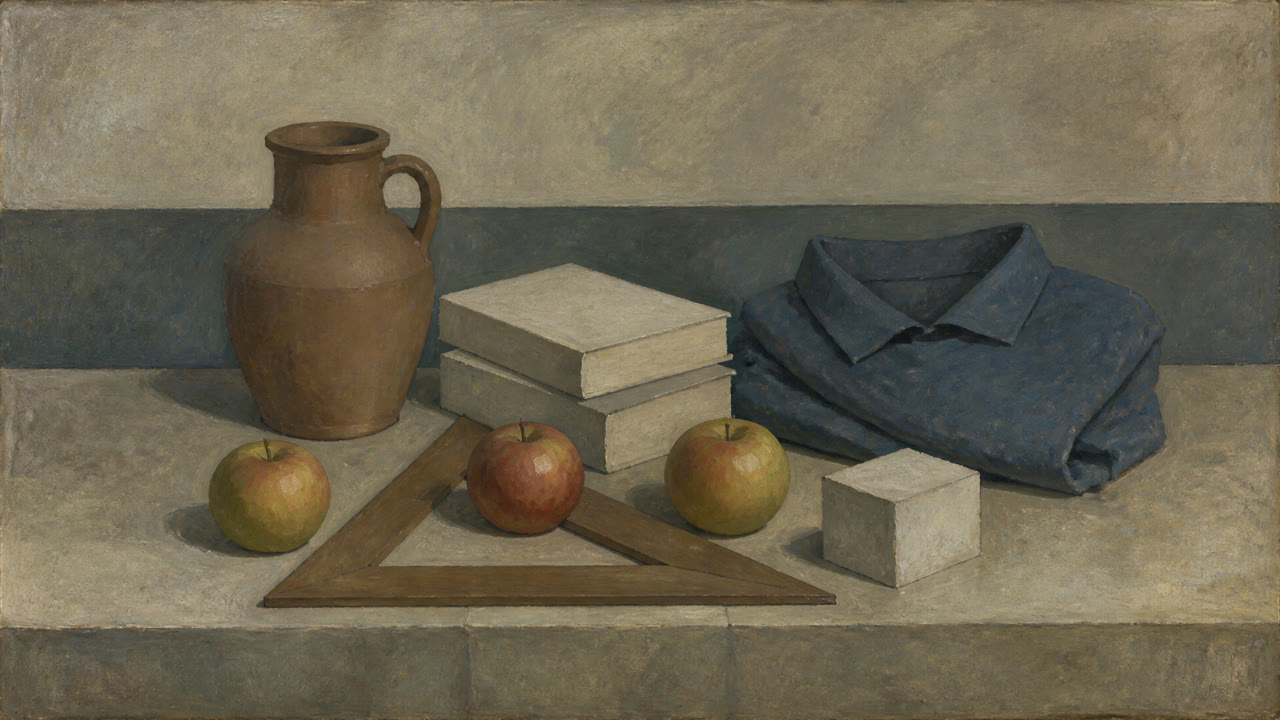
제1차 세계 대전 이후의 국제적인 경향으로, 아방가르드 스타일의 파편화와 속도에서 벗어나 고전적인 형태, 안정적인 인물, 정물, 그리고 명확한 공간을 강조했습니다. 과거를 문자 그대로 재구성하는 대신, 현대적인 단순성을 유지하면서 무게와 질서를 회복했습니다.

한눈에 판단
시각적 특징
- 명확한 윤곽을 가진 큰 안정적인 인물과 정물
- 삼각형, 수평선, 그리고 전면 균형
- 제약된 흙색, 파란색, 그리고 라임색 계열의 배경
- 아방가르드 단순성을 유지하면서 파편들이 인체와 사물로 돌아옴
적합한 용도
- Expressing post-crisis reconstruction through lucid figures and composition rather than historical décor
- Comparing classical weight with simplification after Cubism
이 양식 사용하기
짧은 지침을 프로젝트에 적용하거나 구조화된 사양을 AI 도구에 넘길 수 있습니다.
자세한 제작법과 출처제작 규칙, 실제 사례, 비교, 연구, 인용 형식
사전 항목
- 타이포그래피
- Use a restrained classical serif, avoiding exaggerated monumental spacing.
- 구성
- Fix figures, vessels, and architecture to triangles and horizontals with broad margins and shallow legible depth.
- 재료
- Layer lime, earth, and muted blue smoothly, quieting the brush while retaining contour.
- 주의
- Do not treat order as a neutral virtue; examine its links to postwar society, states, and conservatism. Antique bodies and columns alone miss the post-avant-garde reconstruction.
- 더 읽을거리
- Jean Cocteau and rappel à l'ordre / Picasso, Léger, Ozenfant and interwar classicism / postwar order and its competing political uses
관련 항목
- Neoclassicism (新古典主義)공통 인상: Trust / Calm.Return to Order와 Neoclassicism 비교
- Magic Realism (マジック・リアリズム)공통 인상: Calm.Return to Order와 Magic Realism 비교
Figurative Painting 더 보기
Figurative Painting에서 공통 인상이 많은 항목을 우선해 골랐습니다.
- Naturalism (自然主義美術)공통 인상: Trust / Calm.
- Realism (写実主義)공통 인상: Trust.
- Academic Art (アカデミック美術)공통 인상: Trust.
이 항목을 인용하기
사전은 링크되기 위해 있다. 글을 쓰는 자리에 맞는 형식을 그대로 가져가면 된다.
- Link
- https://indexstyle.org/ko/styles/return-to-order
- Markdown
- [Return to Order — IndexStyle](https://indexstyle.org/ko/styles/return-to-order)
- HTML
- <a href="https://indexstyle.org/ko/styles/return-to-order">Return to Order — IndexStyle</a>