Naturalism
自然主義美術 / c. 1870s–1900 / Style / Figurative Painting
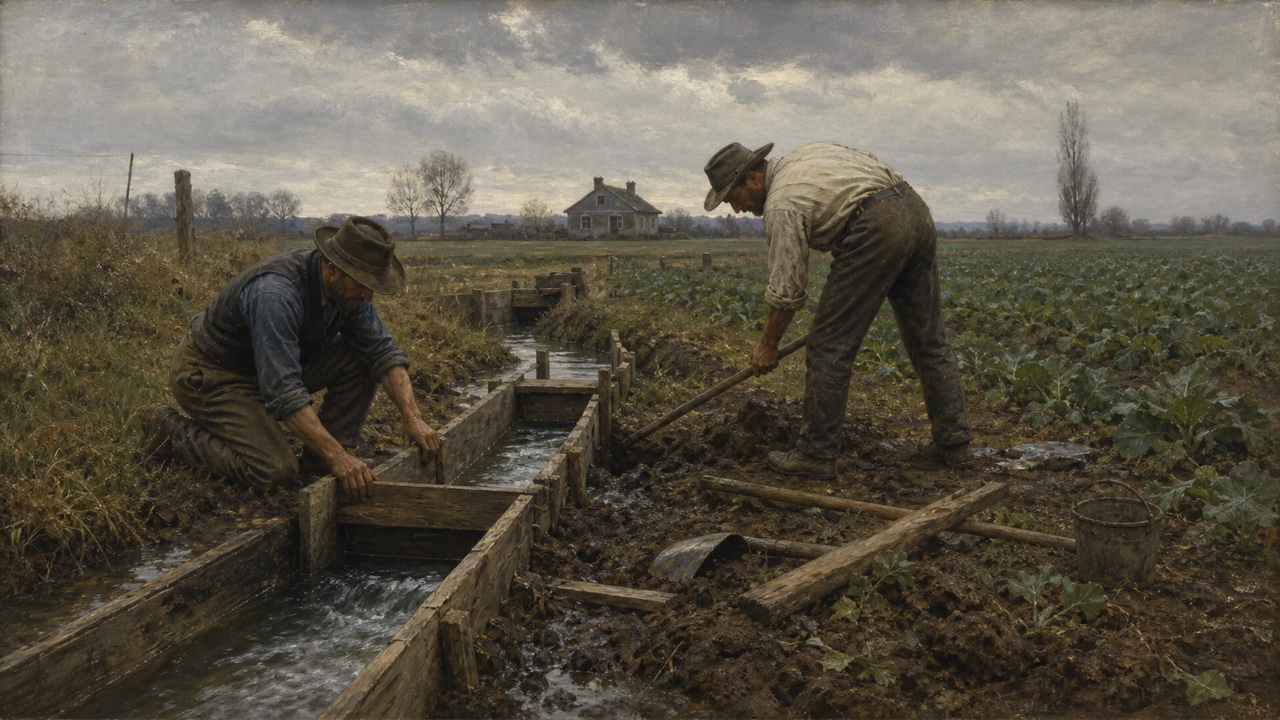
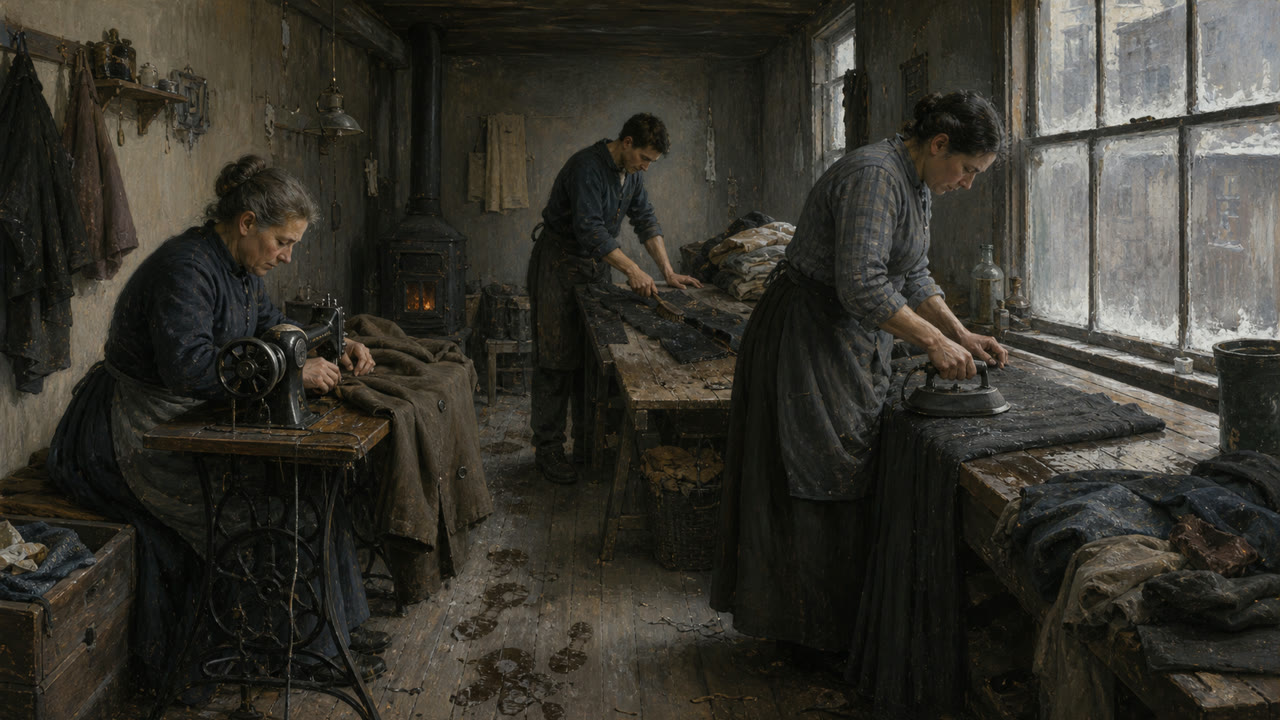
Naturalism extended Realism's contemporaneity through close observation of how environment, heredity and working conditions shape bodies and behavior, often using outdoor light and causally legible detail.

At a glance
Visual cues
- Rural, labor and domestic subjects embedded in concrete conditions
- Restrained outdoor light and observed weather
- Tools, ground and clothing explaining living circumstances
- Action caught in progress rather than a theatrical climax
Best used for
- Showing how living conditions act on people without separating figure from environment
- Reconstructing observed light and work in progress without theatrical storytelling
Use this style
Take the compact brief into a project or hand the structured version to an AI tool.
Detailed guidance and sourcesProduction rules, reference works, comparisons, research and citation formats
Dictionary entry
- Type
- Name location, season and work specifically, avoiding sentimental adjectives that speak for the subject.
- Composition
- Give figure and environment equal density so tools, ground, vegetation and weather explain the action.
- Material
- Observe skin, earth and cloth within gray-inflected daylight, restraining heroic contour and dramatic contrast.
- Caution
- This is not precise nature painting in general. Its distinction from Realism is causal attention to conditions, and from Academic Art a refusal of polished idealization.
- Further study
- Naturalism in nineteenth-century art / Environment, labor and close observation / Bastien-Lepage and the international Naturalist tendency
Related entries
- Realism (写実主義)Same Figurative Painting lineage.Compare Naturalism and Realism
- Academic Art (アカデミック美術)Same Figurative Painting lineage.Compare Naturalism and Academic Art
More from Figurative Painting
Continue through styles in the same Figurative Painting family, prioritised by shared effects.
- Return to Order (秩序への回帰)Shared effects: Trust / Calm.
- Ashcan School (アシュカン・スクール)Shared effects: Intimacy / Trust.
- Bay Area Figurative Movement (ベイエリア・フィギュラティヴ)Shared effects: Intimacy.
Browse all Figurative Painting entries
Cite this entry
The dictionary is meant to be linked to. Take whichever form fits where you are writing.
- Link
- https://indexstyle.org/styles/naturalism
- Markdown
- [Naturalism — IndexStyle](https://indexstyle.org/styles/naturalism)
- HTML
- <a href="https://indexstyle.org/styles/naturalism">Naturalism — IndexStyle</a>