Bay Area Figurative Movement
ベイエリア・フィギュラティヴ / 1950s–1960s / Style / Figurative Painting
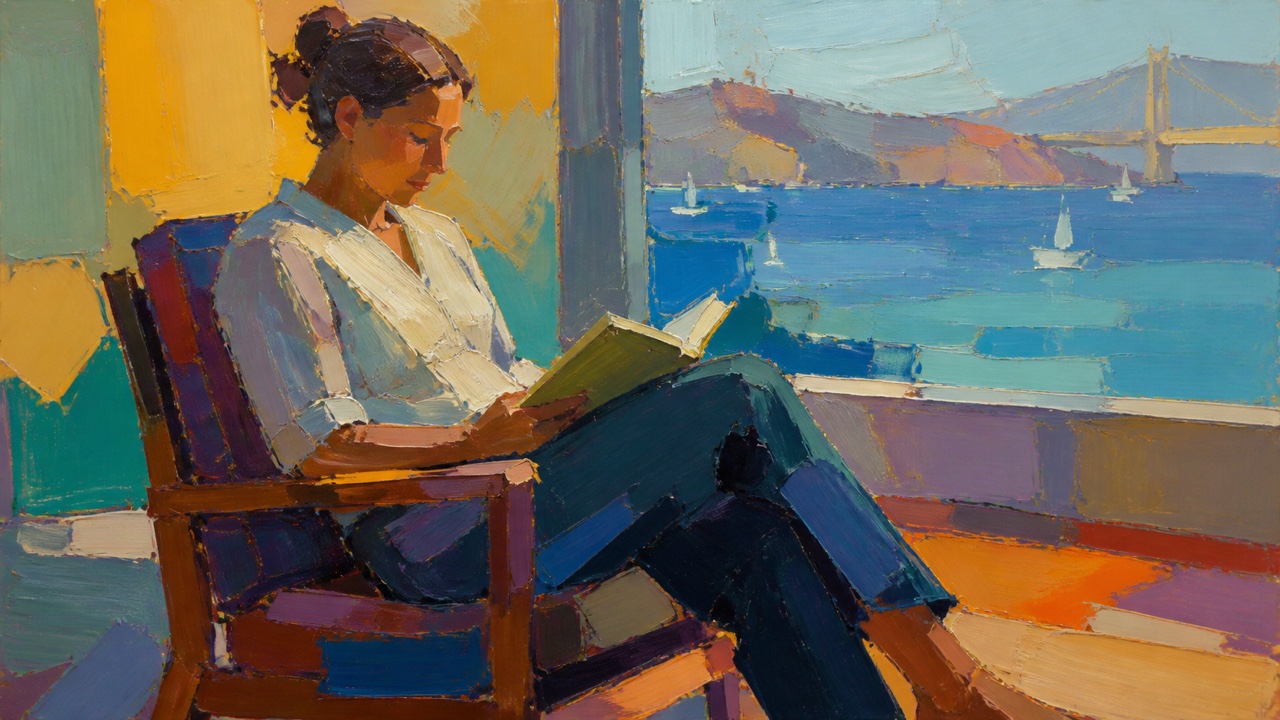
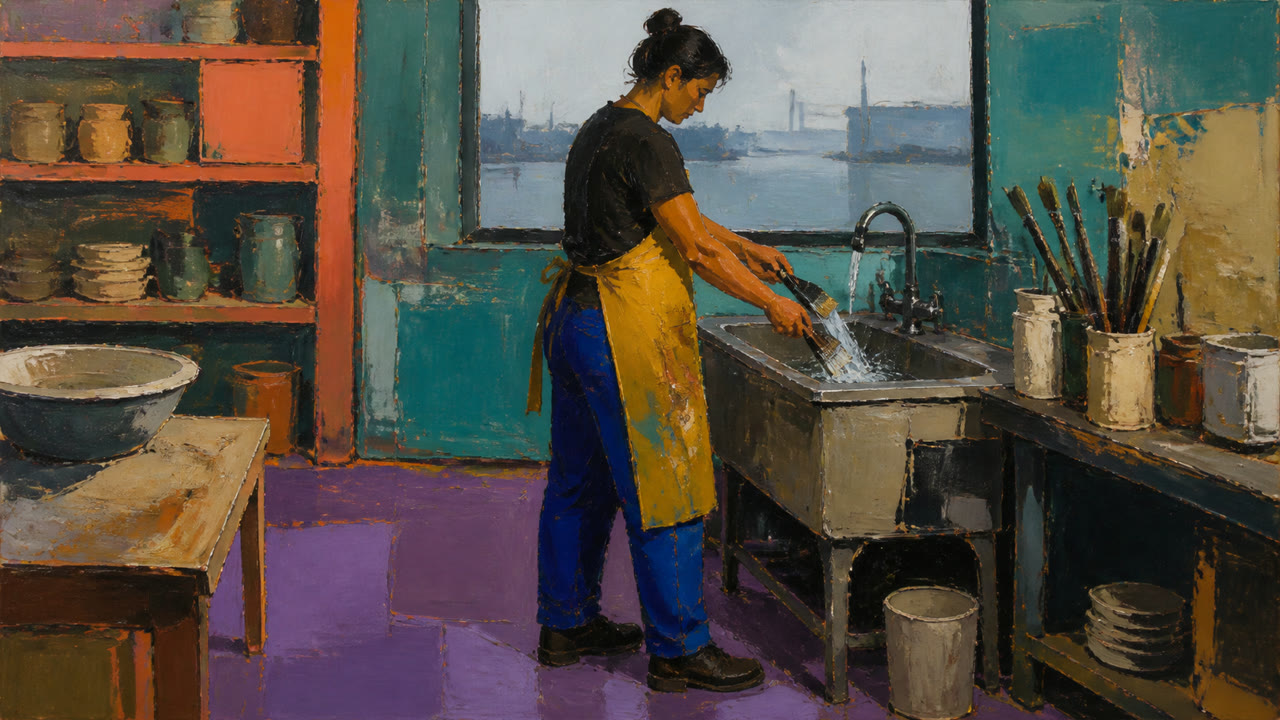
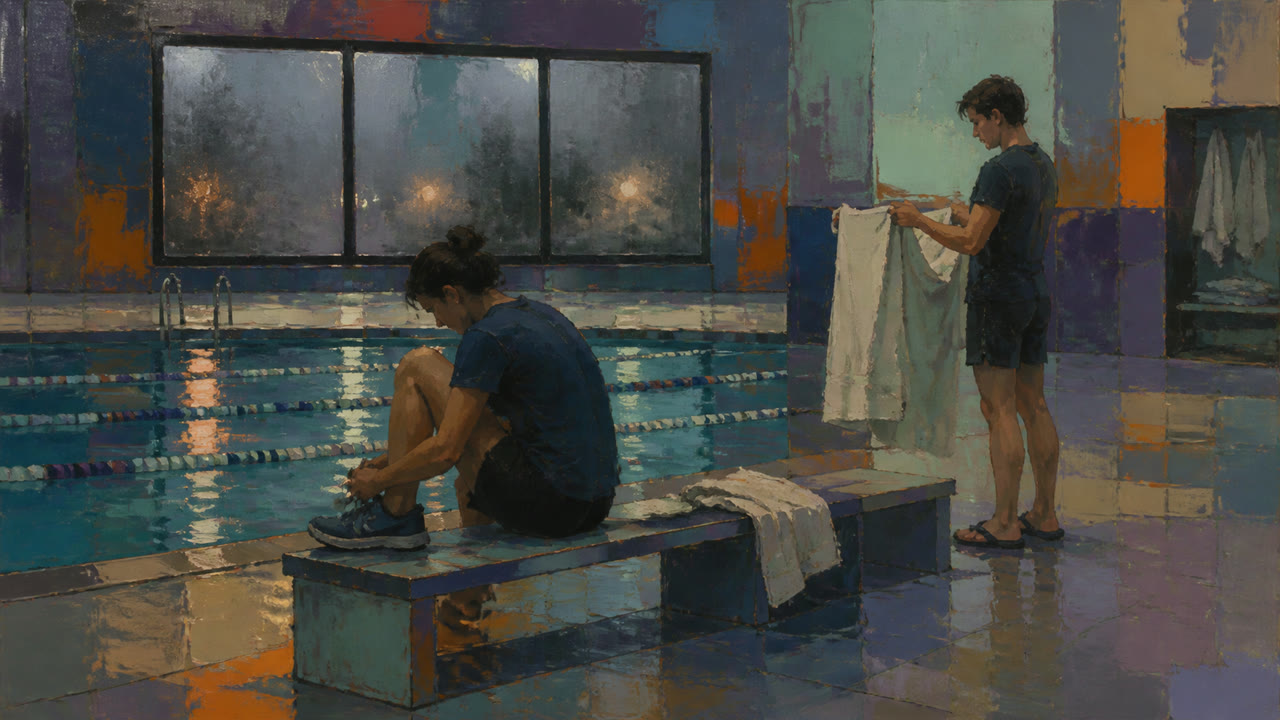
Bay Area painting that returned to figures, rooms, cities, and landscapes without abandoning Abstract Expressionism's broad marks and thick color fields; figure and ground carry the same painterly pressure.
At a glance
Visual cues
- Figures built from broad flat strokes
- Contours dissolving into surrounding color
- Opaque complementary color
- Everyday interiors, beaches, and streets simplified into large forms
Best used for
- Giving a figure presence through posture and color rather than photographic description
- Keeping a work between figuration and abstraction while preserving the light of a place
Use this style
Take the compact brief into a project or hand the structured version to an AI tool.
Detailed guidance and sourcesProduction rules, reference works, comparisons, research and citation formats
Dictionary entry
- Type
- Place small sans-serif labels at the edge of a color field without reinforcing the contour.
- Composition
- Crop the figure large and continue the same width of mark through body, floor, and wall.
- Material
- Layer saturated opaque paint with a broad brush, allowing undercolor and unpainted gaps to form the contour.
- Caution
- A figure inside an abstract painting is not enough. Preserve the Bay Area lineage and the historical return from abstraction to figuration.
- Further study
- David Park and the return to the figure / Richard Diebenkorn and Berkeley paintings / Elmer Bischoff, Joan Brown and Bay Area light
Related entries
- Abstract Expressionism (抽象表現主義)Shared effects: Exhilaration.Compare Bay Area Figurative Movement and Abstract Expressionism
- Neo-Expressionism (新表現主義)Shared effects: Exhilaration.Compare Bay Area Figurative Movement and Neo-Expressionism
More from Figurative Painting
Continue through styles in the same Figurative Painting family, prioritised by shared effects.
- Romanticism (ロマン主義)Shared effects: Exhilaration.
- Realism (写実主義)Shared effects: Intimacy.
- Naturalism (自然主義美術)Shared effects: Intimacy.
Browse all Figurative Painting entries
Cite this entry
The dictionary is meant to be linked to. Take whichever form fits where you are writing.
- Link
- https://indexstyle.org/styles/bay-area-figurative
- Markdown
- [Bay Area Figurative Movement — IndexStyle](https://indexstyle.org/styles/bay-area-figurative)
- HTML
- <a href="https://indexstyle.org/styles/bay-area-figurative">Bay Area Figurative Movement — IndexStyle</a>