Dada vs Editorial Collage
ダダ / エディトリアル・コラージュ
Dada comes from Avant-garde and Editorial Collage from Publishing and Editing. One is style and the other technique. They are reached for with some of the same intent, which is where they get confused.
Dada
%2C%201922%2C%20NGA%20154076.jpg)


Deliberately dislocates meaning and order, making authority itself the material of the joke.
Editorial Collage
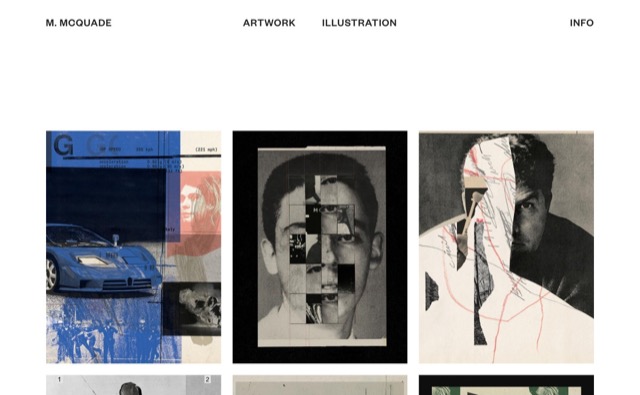


Layers fragments from different times and contexts, showing the editor's point of view before any explanation.
| Dada | Editorial Collage | |
|---|---|---|
| Era | 1916–1920s | contemporary |
| Family | Avant-garde | Publishing and Editing |
| Kind | Style | Technique |
| Cues | Rotated type / Fragments of sound / Collisions of scale / Unbalanced margins | Cut-out photographs / Mixed scales / Collision with white space / Annotations |
| Best used for | Cultural events and statements that doubt common sense · Making voice, noise and collision come before meaning | Implying an article's argument in one image · Giving found material a new reading |
| Type | Collide weights, directions and cases in one plane | A disciplined text face with large pull quotes |
| Composition | Keep one reading path; rotate and sever the rest | Choose the leading fragment; layer the rest before and behind |
| Material | Letterpress black, red, off-white; bind the accidents with repetition | Photos, scraps, hand-drawn lines; leave the cut edges visible |
| Caution | Not decorative messiness. Decide which authority or custom you are objecting to. | Don't just add material. Be able to say what every fragment means. |