Orientalism
オリエンタリズム / 19th century / Style / Cross-cultural Reception
Nineteenth-century Orientalism grouped North Africa, the Middle East and the eastern Mediterranean into a Western imagined East, combining travel, collected objects, fantasy interiors, sensuality, violence and antiquity within colonial power relations.

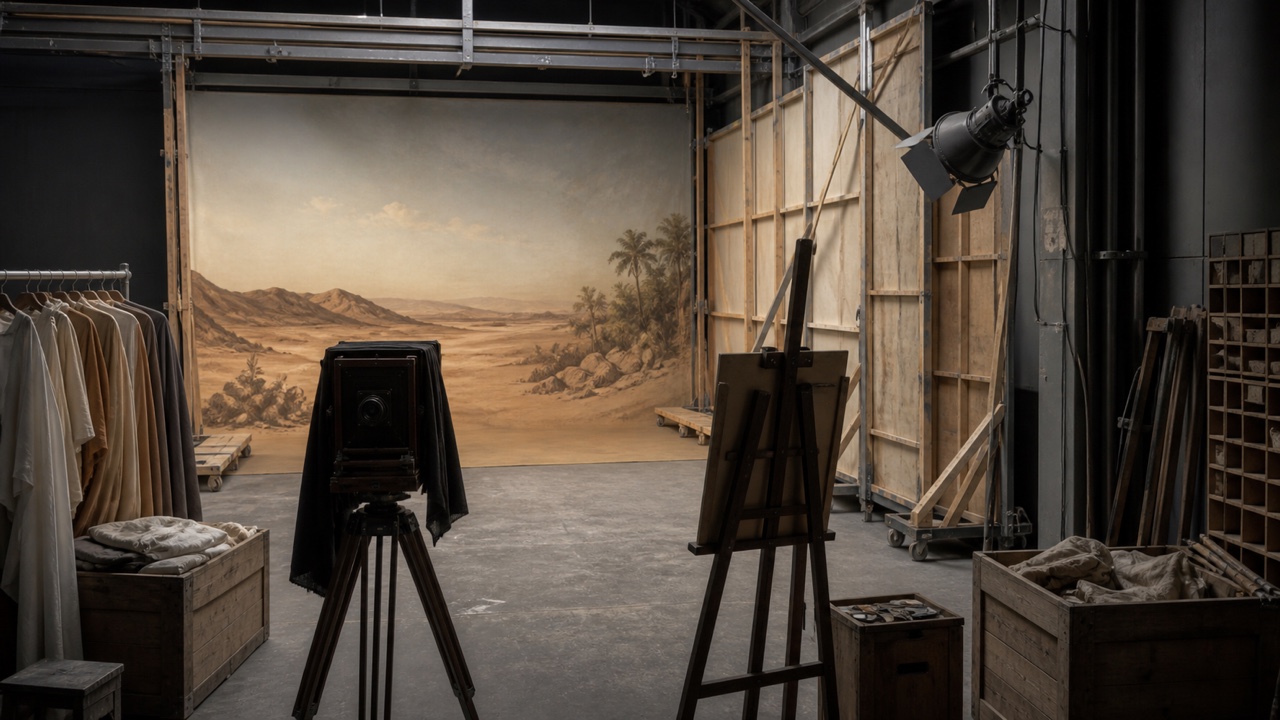
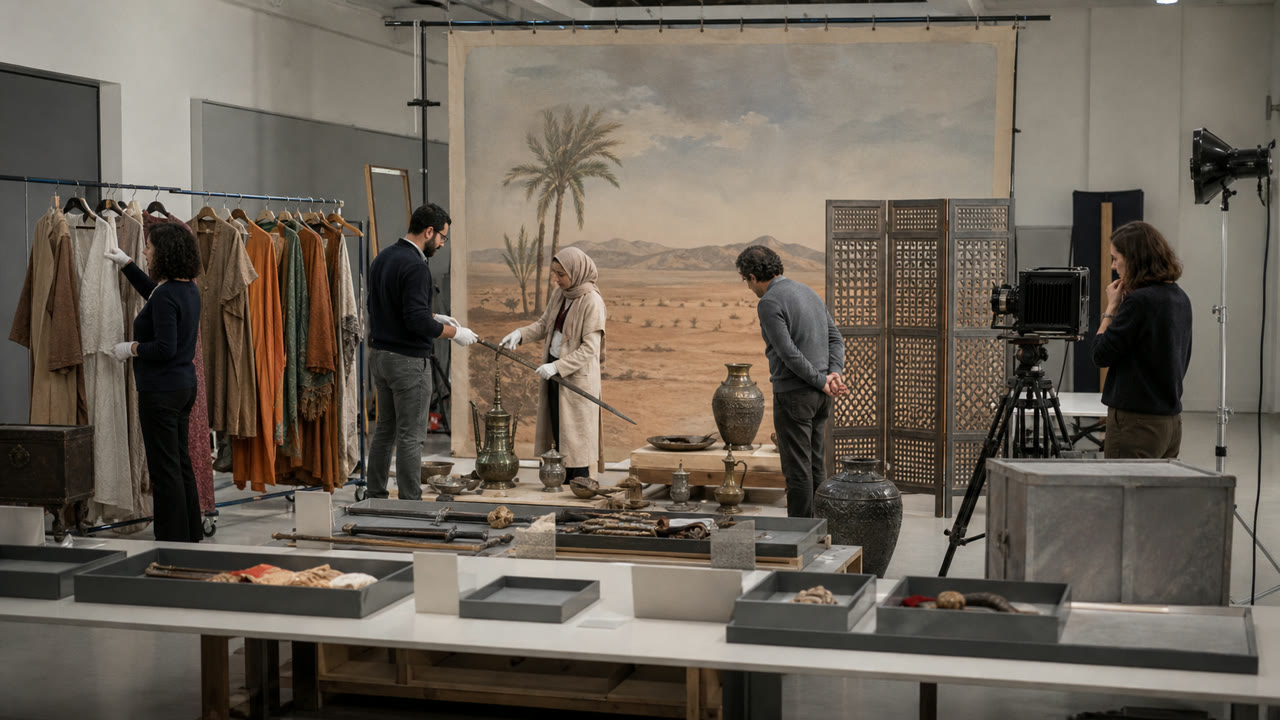
At a glance
Visual cues
- Markets, palaces, baths and deserts composed for Western audiences
- Carpets, tiles, metalwork and dress densely accumulated
- Low interior light, jewel color and meticulous surfaces
- Observed travel detail mixed with imagined harems or violence
Best used for
- Critically analyzing how nineteenth-century Western art imagined other regions and embedded power in the image
- Showing both material virtuosity and representational bias in historical exhibitions or editorial work
Use this style
Take the compact brief into a project or hand the structured version to an AI tool.
Detailed guidance and sourcesProduction rules, reference works, comparisons, research and citation formats
Dictionary entry
- Type
- Treat it as analysis rather than a transferable look, captioning maker, work, represented region and the colonial relation at production.
- Composition
- Compare crowded interiors, horizontal markets and distant deserts, asking whose viewpoint controls the image.
- Material
- Identify the origins of carpets, tile, metal and clothing instead of merging different cultures into one decorative set.
- Caution
- Do not use it as a neutral style for making contemporary brands or people seem exotic or sensual. Outside historical research and critique, it repeats colonial stereotypes.
- Further study
- Orientalism in nineteenth-century art / Colonial representation and the imagined East / Gérôme, Delacroix and European collecting
Related entries
- Romanticism (ロマン主義)Shared effects: Exhilaration / Luxury.Compare Orientalism and Romanticism
- Japonisme (ジャポニスム)Same Cross-cultural Reception lineage.Compare Orientalism and Japonisme
More from Cross-cultural Reception
Continue through styles in the same Cross-cultural Reception family, prioritised by shared effects.
- Chinoiserie (シノワズリ)Shared effects: Luxury.
Browse all Cross-cultural Reception entries
Cite this entry
The dictionary is meant to be linked to. Take whichever form fits where you are writing.
- Link
- https://indexstyle.org/styles/orientalism
- Markdown
- [Orientalism — IndexStyle](https://indexstyle.org/styles/orientalism)
- HTML
- <a href="https://indexstyle.org/styles/orientalism">Orientalism — IndexStyle</a>