Die Brücke
ブリュッケ / 1905–1913 / Estilo / Vanguardias
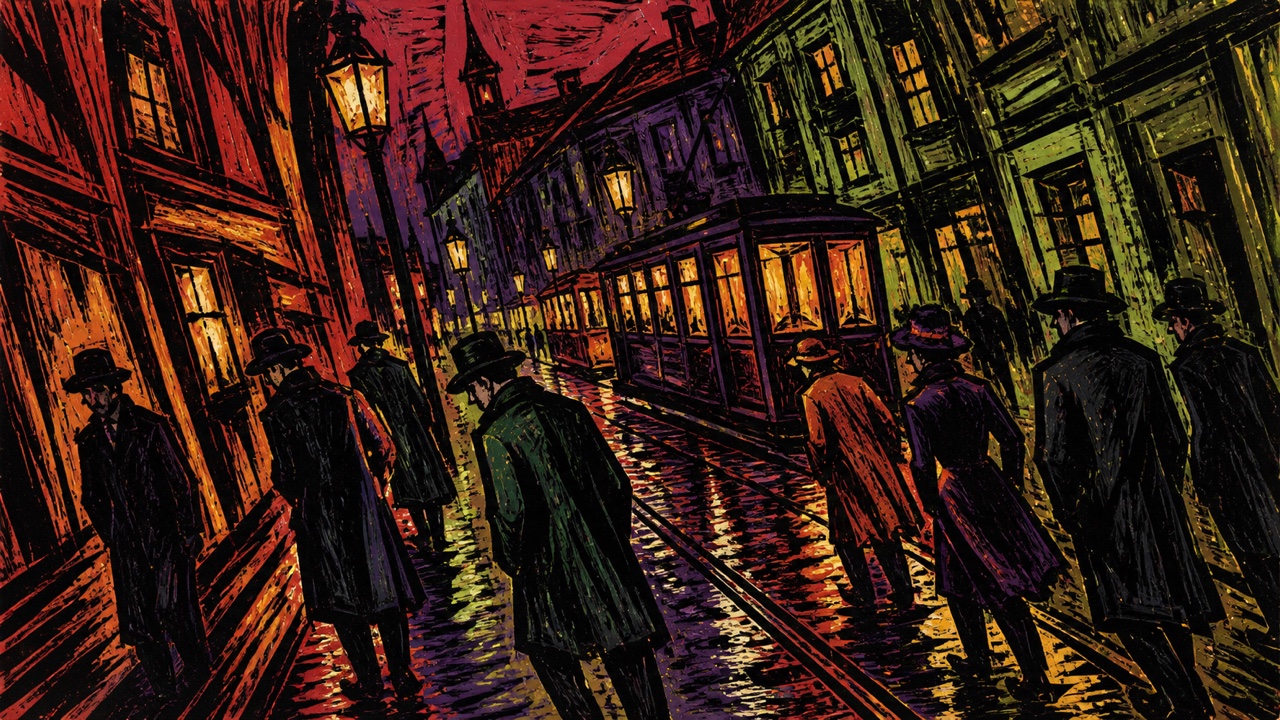
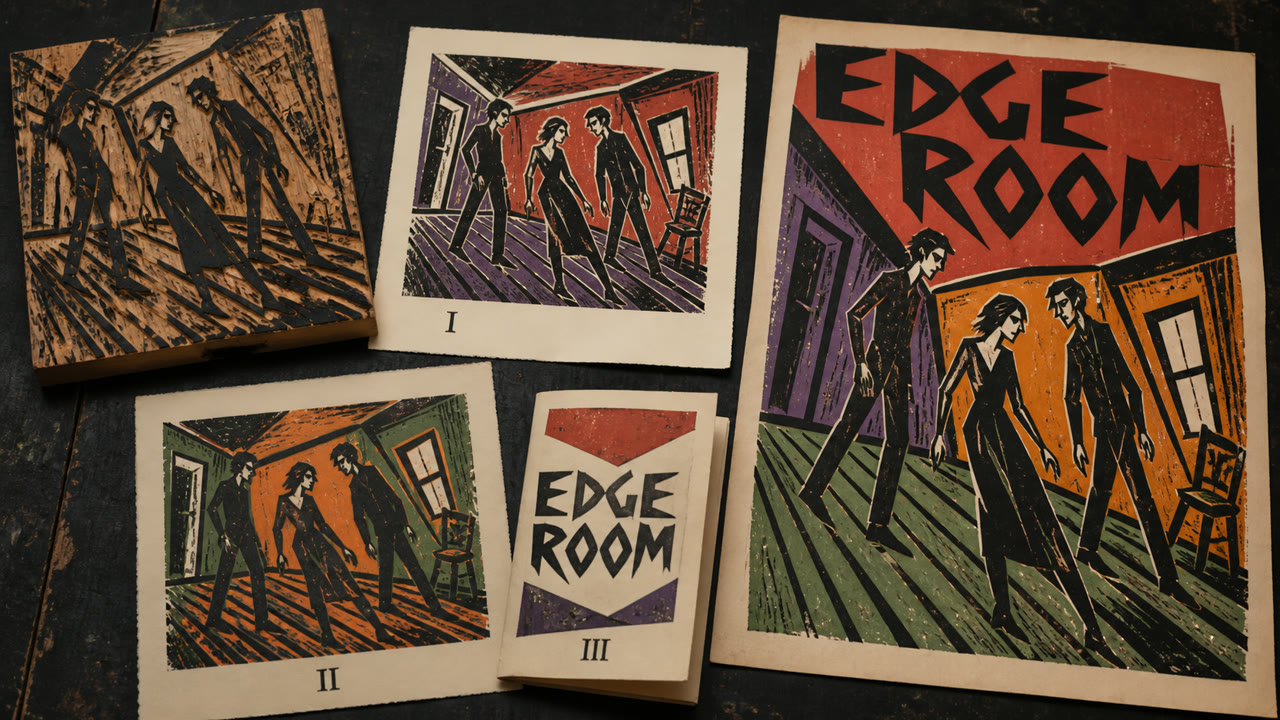
El grupo de Dresde que comprimió ciudad, desnudo, naturaleza y vida nocturna en contorno cortante, xilografía áspera y color no natural. A diferencia de la abstracción espiritual de Der Blaue Reiter, prioriza el contacto material urgente de cuerpos, calles y creación colectiva.
.jpeg)
De un vistazo
Rasgos visuales
- Contornos angulares pesados y color plano no natural
- Cortes en blanco y negro que conservan la resistencia de la madera
- Figuras urbanas y desnudos alargados
- Rojo, naranja, verde y violeta que crean espacio inestable
Usos idóneos
- Communicating urban tension through sharp contour and non-natural color
- Unifying woodcut resistance and distorted figures in print
Usar este estilo
Lleva el resumen al proyecto o entrega la especificación estructurada a una herramienta de IA.
Guía detallada y fuentesReglas de producción, obras de referencia, comparaciones, investigación y citas
Entrada del diccionario
- Tipografía
- Give letters the angular skeleton of carved wood and align the uneven rows with cuts in the image.
- Composición
- Stretch figures vertically and drive street or interior diagonals into shallow depth.
- Material
- Use rough woodcut, heavy black, absorbent paper, and opaque red, orange, and green, leaving chips visible.
- Precaución
- Do not anonymize other cultures as primitive source material. Identify provenance and colonial collecting contexts, and do not reduce deliberate distortion to performed incompetence.
- Para profundizar
- Ernst Ludwig Kirchner, Erich Heckel and Karl Schmidt-Rottluff / Die Brücke portfolios and woodcuts / urban modernity and communal studio practice
Entradas relacionadas
- Der Blaue Reiter (青騎士)Misma familia: Vanguardias.Comparar Die Brücke y Der Blaue Reiter
- Expressionism (表現主義)Misma familia: Vanguardias.Comparar Die Brücke y Expressionism
Más de Vanguardias
Continúa con estilos de Vanguardias, priorizados por sus efectos compartidos.
- Constructivism (構成主義)Efectos compartidos: Rebellion / Exhilaration.
- Dada (ダダ)Efectos compartidos: Rebellion / Exhilaration.
- Italian Futurism (イタリア未来派)Efectos compartidos: Exhilaration / Rebellion.
Ver todas las entradas de Vanguardias
Citar esta entrada
El diccionario existe para que se enlace. Toma la forma que encaje donde estés escribiendo.
- Link
- https://indexstyle.org/es/styles/die-brucke
- Markdown
- [Die Brücke — IndexStyle](https://indexstyle.org/es/styles/die-brucke)
- HTML
- <a href="https://indexstyle.org/es/styles/die-brucke">Die Brücke — IndexStyle</a>