Grunge vs Grunge Fashion
グランジ / グランジ・ファッション
Grunge comes from Counterculture and Grunge Fashion from Subculture Style. They are reached for with some of the same intent, which is where they get confused.
Grunge
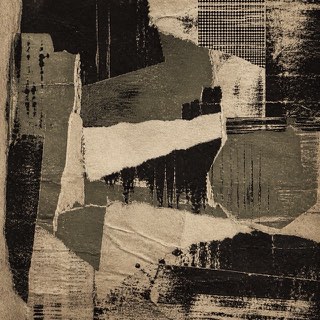
Uses dirt, tears and wear as resistance to the neatly managed screen.
Grunge Fashion

Grunge fashion grew from mismatched, layered secondhand and work clothing in the Pacific Northwest music scene before its early-1990s runway translation; flannel, worn knits, boots and displaced hems became an answer to polished luxury.
| Grunge | Grunge Fashion | |
|---|---|---|
| Era | 1990s | late 1980s–1990s |
| Family | Counterculture | Subculture Style |
| Kind | Style | Style |
| Cues | Scuffing / Tears / Disordered type / Low-quality copies | Oversized checked flannel worn open in layers / Pilled knit, thrifted dress and distressed denim mixed / Heavy work boots and off-body sizing / Muddy earth tones and washed black layered together |
| Best used for | Body heat for music and street culture · Deliberately breaking the look of a finished product | Building an unpolished counter-image for music, magazines and styling · Turning secondhand utility clothing and wear into value through new combinations |
| Type | Decayed sans, typewriter faces | Keep distressed sans or typewriter copy small and let layering lead. |
| Composition | Overlap and crop; keep alignment only in places | Place oversized shirts and knits over narrow inner layers, displacing shoulder and hem lines. |
| Material | Dirty paper, grain, low chroma plus one accent | Use washed flannel, pilled knit, faded denim and dull leather, avoiding new gloss. |
| Caution | Texture overlays alone feel dated. Run the logic of wear through photo, type and margin alike. | Buying pre-ripped clothes misses the point. Preserve the distance from fashion that came from thrift, utility and a regional music culture. |