Experimental Type vs Kinetic Typography
実験的タイポグラフィ / キネティック・タイポグラフィ
Experimental Type comes from Avant-garde and Kinetic Typography from Lettering. One is style and the other technique. They are reached for with some of the same intent, which is where they get confused.
Experimental Type


Pushes letters from something read toward something seen and felt.
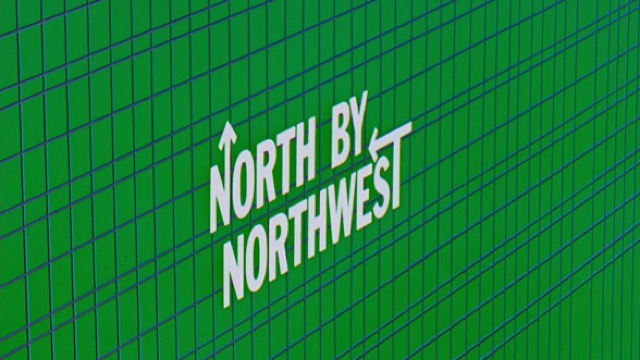
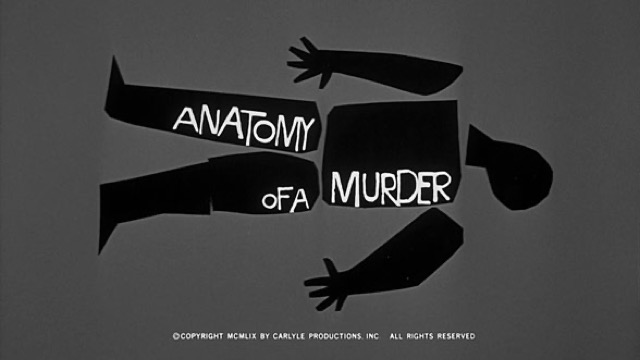
Kinetic Typography
%20-%20Opening%20Crawl.jpg)
Converts the meaning of a word into speed, pause and direction, so that the time of reading is itself designed.
| Experimental Type | Kinetic Typography | |
|---|---|---|
| Era | 1980s– | film titles–digital motion |
| Family | Avant-garde | Lettering |
| Kind | Style | Technique |
| Cues | Distorted letterforms / Overlaps / Extreme letterspacing / Tension with legibility | Per-word motion / Rhythm / Scale change / Pauses |
| Best used for | Making the title itself the visual · Breaking déjà vu in music and culture | Making a short message physically felt · Carrying the intonation of voice and music to the screen |
| Type | Variable, stretched, dismantled — support with a plain text face | One family, varied in weight and width |
| Composition | Run type to the edges and partially conceal it | Split the sentence into words; assign each a trajectory that fits its meaning |
| Material | Monochrome plus one color; warps and scanlines | Keep the ground quiet; the timing offsets are the star |
| Caution | Break everything and the way in disappears. Always keep one readable layer. | Don't move every word. Motion reads because some words stand still. |