Editorial Collage vs Polish Poster School
エディトリアル・コラージュ / ポーランド・ポスター派
Editorial Collage comes from Publishing and Editing and Polish Poster School from Regional Graphics. One is technique and the other style. They are reached for with some of the same intent, which is where they get confused.
Editorial Collage
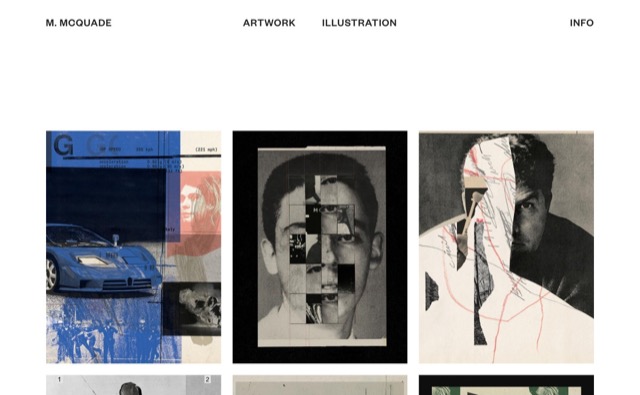


Layers fragments from different times and contexts, showing the editor's point of view before any explanation.
Polish Poster School
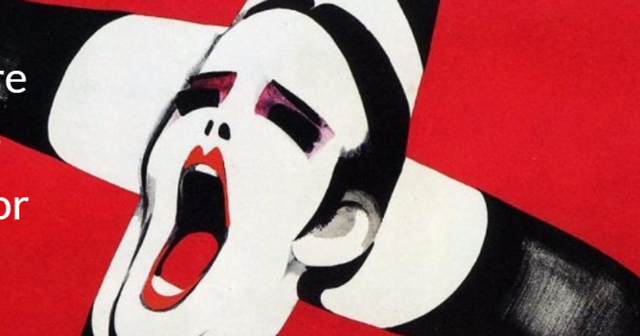
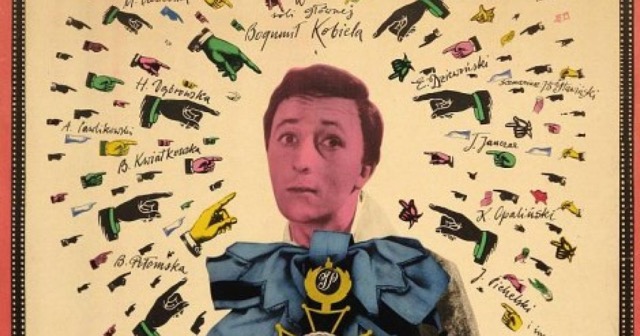

Rather than explain a film or a play, it turns the assignment into a psychological image built from painting, metaphor and hand-drawn letters.
| Editorial Collage | Polish Poster School | |
|---|---|---|
| Era | contemporary | 1950s–1980s |
| Family | Publishing and Editing | Regional Graphics |
| Kind | Technique | Style |
| Cues | Cut-out photographs / Mixed scales / Collision with white space / Annotations | Symbolic metaphor / Hand-drawn lettering / Rough paint surface / One strong image |
| Best used for | Implying an article's argument in one image · Giving found material a new reading | Promoting a film or a play through one metaphor instead of its plot · Series for a theatre or a festival, each sheet drawn differently by hand |
| Type | A disciplined text face with large pull quotes | Draw the title by hand in the same stroke as the image |
| Composition | Choose the leading fragment; layer the rest before and behind | One strong image near the center with nothing competing around it |
| Material | Photos, scraps, hand-drawn lines; leave the cut edges visible | Rough brush and ink surface, few colors, tears and bleed left in |
| Caution | Don't just add material. Be able to say what every fragment means. | Leaning on star faces or film stills kills the metaphor, and roughening the surface alone leaves decoration with nothing behind it. |