Chronophotography vs Kinetic Typography
連続写真/クロノフォトグラフィ / キネティック・タイポグラフィ
Chronophotography comes from Photographic Techniques and Kinetic Typography from Lettering. Both are read here as technique. They are reached for with some of the same intent, which is where they get confused.
Chronophotography


Decomposes movement into successive instants, making the structure of time visible in one or a series of photographs.
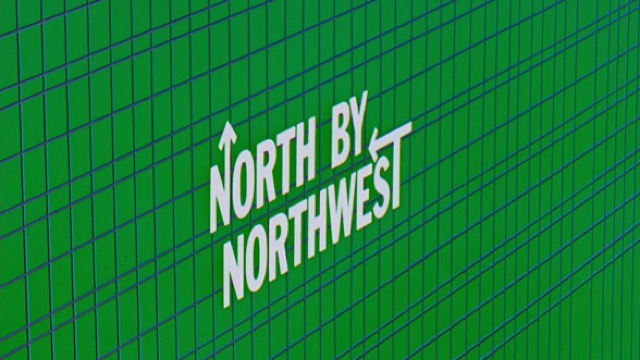
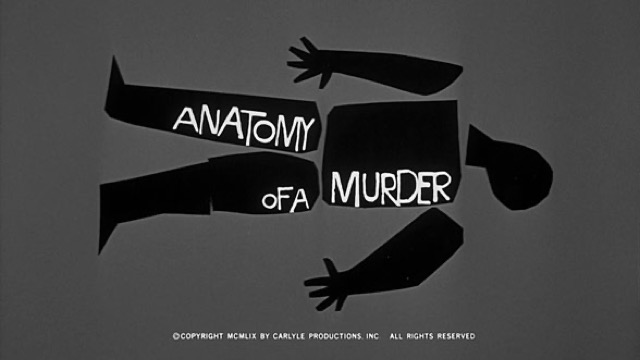
Kinetic Typography
%20-%20Opening%20Crawl.jpg)
Converts the meaning of a word into speed, pause and direction, so that the time of reading is itself designed.
| Chronophotography | Kinetic Typography | |
|---|---|---|
| Era | 1870s–1890s | film titles–digital motion |
| Family | Photographic Techniques | Lettering |
| Kind | Technique | Technique |
| Cues | Multiple exposure / Sequential bodies / Equal intervals / Motion analysis | Per-word motion / Rhythm / Scale change / Pauses |
| Best used for | Analysis that compares a movement step by step over time · Holding a trajectory in one frame to show differences in speed | Making a short message physically felt · Carrying the intonation of voice and music to the screen |
| Type | Number each phase and note the interval outside the frame in one format | One family, varied in weight and width |
| Composition | Dark plain ground with images spaced evenly along the direction of travel | Split the sentence into words; assign each a trajectory that fits its meaning |
| Material | Multiple exposure, fixed camera, constant interval, white markers on the body | Keep the ground quiet; the timing offsets are the star |
| Caution | Overlapping exposures at uneven intervals makes speed unreadable, and the picture stops analysing movement and becomes a pile of overlaid figures. | Don't move every word. Motion reads because some words stand still. |