Photomontage vs Polish Poster School
フォトモンタージュ / ポーランド・ポスター派
Photomontage comes from Photographic Techniques and Polish Poster School from Regional Graphics. One is technique and the other style. They are reached for with some of the same intent, which is where they get confused.
Photomontage


Cuts and rejoins photographic fragments, assembling relations and critical meanings that never existed in the original reality.
Polish Poster School
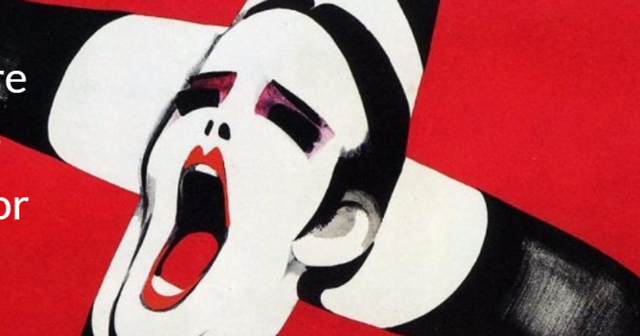
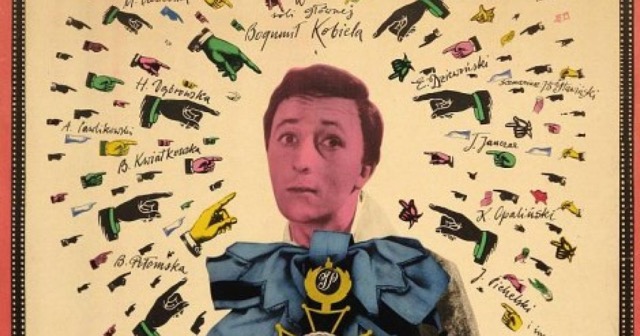

Rather than explain a film or a play, it turns the assignment into a psychological image built from painting, metaphor and hand-drawn letters.
| Photomontage | Polish Poster School | |
|---|---|---|
| Era | 1910s– | 1950s–1980s |
| Family | Photographic Techniques | Regional Graphics |
| Kind | Technique | Style |
| Cues | Cut-out photographs / Mixed scales / Visible seams / Reused print matter | Symbolic metaphor / Hand-drawn lettering / Rough paint surface / One strong image |
| Best used for | Turning political or advertising rhetoric against itself with its own pictures · Showing scenes and relations that never existed with the force of photography | Promoting a film or a play through one metaphor instead of its plot · Series for a theatre or a festival, each sheet drawn differently by hand |
| Type | Cut headlines from existing print and paste them at unmatched sizes | Draw the title by hand in the same stroke as the image |
| Composition | Shift scale on purpose, putting small figures beside enormous objects | One strong image near the center with nothing competing around it |
| Material | Magazine and newspaper cuttings, paste, rephotography, seams kept or hidden | Rough brush and ink surface, few colors, tears and bleed left in |
| Caution | Copying only the cutting and pasting leaves fragments side by side with no collision, and the criticism the method existed for never lands. | Leaning on star faces or film stills kills the metaphor, and roughening the surface alone leaves decoration with nothing behind it. |