Metalheart vs Minimalism
メタルハート / ミニマリズム
Metalheart comes from UI Expression and Minimalism from Functionalism. They are reached for with different intent, which is the fastest way to tell them apart.
Metalheart
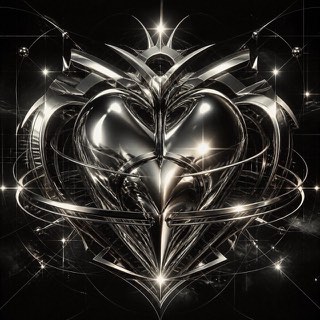
Early 3D software gave this fin-de-millénaire style its chrome, liquid metal, aggressive bevels and lens flare. Dressed in techno and science-fiction imagery, it ruled rave flyers and games magazines around Y2K.
Minimalism
%201%E2%80%935%20(1987)%2C%20Tate%20Modern%2C%20London%2C%20UK.jpg)
Removes elements to maximize the meaning and tension of what remains.
| Metalheart | Minimalism | |
|---|---|---|
| Era | 1995–2004 | 1960s– |
| Family | UI Expression | Functionalism |
| Kind | Style | Style |
| Cues | Liquid-metal chrome / Aggressive bevels / Lens flares / Techno and sci-fi typography | Vast white space / Few elements / Quiet color / Precise spacing |
| Best used for | Club and rave announcements rebuilt with the texture of that era's 3D · Showing off technology through excess instead of refinement | Focusing attention on a single value · Letting quality speak quietly |
| Type | Extrude the letters, bevel them deep, and bake in mirror reflections | A light sans-serif or a well-cut serif |
| Composition | One large object at center, the ground filled with grids and beams | One message, one focal point, wide margins |
| Material | Chrome, liquid metal, lens flare, reflections carrying surrounding color | Nearly achromatic; texture in exactly one place |
| Caution | Polishing it clean in current software removes the rawness that came from the crude renderers of the time, and it becomes something else. | Missing information is not minimal. Decide priorities before you cut. |