Postwar Japanese Poster vs Shin-Hanga
戦後日本のポスターデザイン / 新版画
Postwar Japanese Poster comes from Regional Graphics and Shin-Hanga from Japanese Woodblock Prints. Both are read here as style. They are reached for with some of the same intent, which is where they get confused.
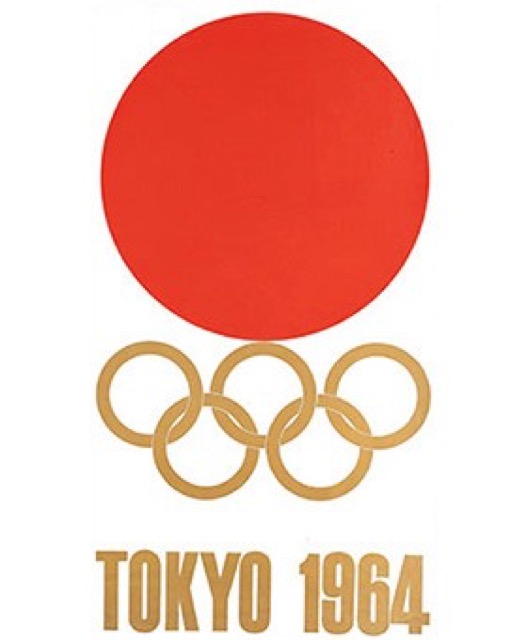
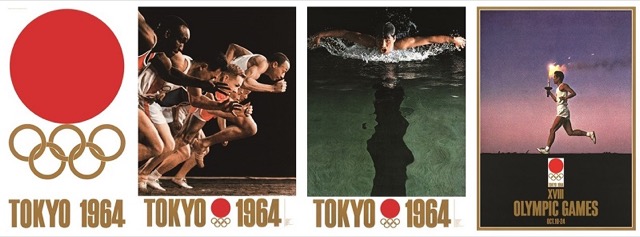
Postwar Japanese Poster
.jpg)
Photography, flat color, calligraphy and traditional motifs, recomposed differently by each designer.
Shin-Hanga


The woodblock revival led by publisher Watanabe Shōzaburō: ukiyo-e's carver-printer division joined to Western light and atmosphere. Hasui's nights and rains became the beloved image of a lyric Japan abroad.
| Postwar Japanese Poster | Shin-Hanga | |
|---|---|---|
| Era | 1950s–1990s | 1915–1960s |
| Family | Regional Graphics | Japanese Woodblock Prints |
| Kind | Style | Style |
| Cues | Bold flatness / Photography and calligraphy / Personal symbols / Precise construction | The lyricism of night and rain / Western treatment of light / Precision of the carver-printer system / Landscapes of travel |
| Best used for | Announcing an exhibition or a cultural program with one image and little copy · Setting mixed Japanese and Latin text precisely so it reads as high grade | Travel and hospitality imagery built on quiet landscape feeling · Limited print editions and seasonal book covers or packaging |
| Type | Tighten Japanese text into a block and divide roles between calligraphy and type | Keep lettering out of the image, at the margin or the seal position |
| Composition | Run a central axis, fix the margins, then cut down to a few elements | Low horizon, a single light source, the foreground sunk into dark |
| Material | Flat printed color, photographic tone, the white of the paper, few inks laid heavily | Graded bokashi on washi, rain lines carved thin on a separate block |
| Caution | Placing traditional motifs is only borrowing. Do not flatten the work into one Japanese look, and check how construction differs by designer, decade and advertised subject. | Chasing only the mood of night and rain misses the tonal precision the carver and printer supply, and leaves nostalgia for a motif. |