Grapus vs Polish Poster School
グラピュス / ポーランド・ポスター派
Both sit in Regional Graphics, so the question is not what they belong to but how they behave. They are reached for with some of the same intent, which is where they get confused.
Grapus
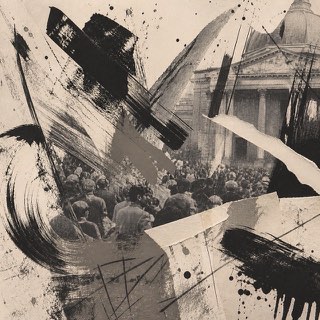
The French collective was born out of May '68. Hand-scrawled letters, splatters and graffiti over photographs brought a festive roughness to posters for politics, theater and city halls, and made resistance to polish into a style.
Polish Poster School
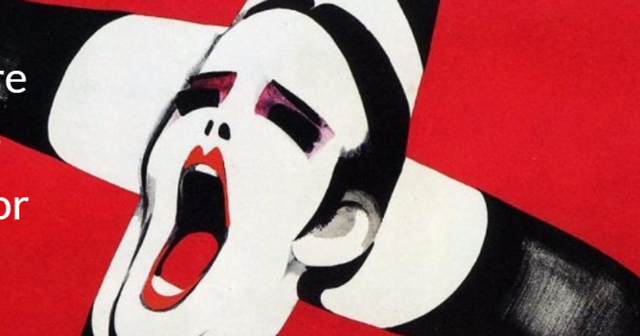
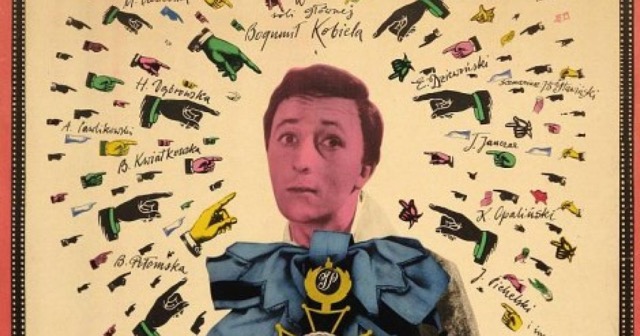

Rather than explain a film or a play, it turns the assignment into a psychological image built from painting, metaphor and hand-drawn letters.
| Grapus | Polish Poster School | |
|---|---|---|
| Era | 1970–1991 | 1950s–1980s |
| Family | Regional Graphics | Regional Graphics |
| Kind | Style | Style |
| Cues | Rough hand-drawn lettering / Splatter and graffiti / Interventions on photographs / Anonymous collective authorship | Symbolic metaphor / Hand-drawn lettering / Rough paint surface / One strong image |
| Best used for | Posters for rallies and unions that shout in the voice of those involved · Cultural programmes for public theatres and city halls needing their stiffness broken | Promoting a film or a play through one metaphor instead of its plot · Series for a theatre or a festival, each sheet drawn differently by hand |
| Type | Headlines written directly with brush or marker, slant and bleed kept | Draw the title by hand in the same stroke as the image |
| Composition | A large photograph beneath, lettering and scrawl laid over the margins | One strong image near the center with nothing competing around it |
| Material | Splatter and finger marks kept in the plate, plus one fluorescent ink | Rough brush and ink surface, few colors, tears and bleed left in |
| Caution | Manufacturing the roughness with a filter removes the necessity of the hand, and what remains is a costume of political heat that trivializes the subject. | Leaning on star faces or film stills kills the metaphor, and roughening the surface alone leaves decoration with nothing behind it. |