Graffiti Pop vs Pop Art
グラフィティ・ポップ / ポップアート
Graffiti Pop comes from Illustration Styles and Pop Art from Pop. They are reached for with some of the same intent, which is where they get confused.
Graffiti Pop
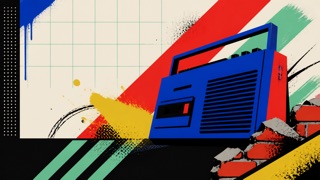
A 1980s–90s commercial style in which advertising, television, toys, and fashion turned graffiti and the contemporary street into a clean, readable urban stage. Separate from writers’ signature culture, it arranged spray lines, brick, chain-link, bins, and boomboxes behind Pop-like products.
Pop Art
.jpg)
.jpg)
Amplifies the vocabulary of ads and comics until mass culture itself becomes the picture.
| Graffiti Pop | Pop Art | |
|---|---|---|
| Era | early 1980s–mid-1990s | 1950s–1960s |
| Family | Illustration Styles | Pop |
| Kind | Style | Style |
| Cues | Bright spray lines, splatter, and heavy outlines behind products / Brick, chain-link, lamps, sidewalks, and bins compressed into a shallow stage / High-contrast black, white, red, yellow, and turquoise / Hand-drawn headlines above orderly product names and prices | Halftone dots / Bold outlines / Primary colors / Repetition |
| Best used for | Critically showing how street culture was converted into a product backdrop in 1980s–90s advertising · Contrasting readable commercial information with drawn motion in fictional urban sets | Making products and campaigns pop instantly · Boldly reinterpreting familiar subjects |
| Type | Draw only a short fictional headline in a wide hand style; return product, price, and safety copy to an orderly sans. | Comic-style extra-bold lettering |
| Composition | Keep the central product or figure clear and use no more than three surrounding layers of brick, mesh, and spray lines. | Blow up the subject; panels and repetition |
| Material | Use flat spot color, rough airbrush, print halftone, and painted plywood without reproducing a real tag or signature. | Red, yellow, blue, black outlines, halftones |
| Caution | Do not imitate a living or historical graffiti writer’s tag, lettering, or mural. Do not reduce poverty and decay to cool urban props; explain the commercializing context. | Overusing comic marks trivializes the content. Decide what you treat as mass culture. |