Figuration Libre vs Neo-Expressionism
フィギュラシオン・リーブル / 新表現主義
Figuration Libre comes from Pop and Neo-Expressionism from Postwar Abstract Painting. They are reached for with some of the same intent, which is where they get confused.
Figuration Libre
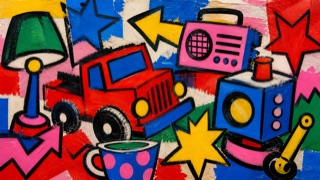
A 1980s French return to figuration that released comics, rock, television, advertising, and graffiti into fast contours, saturated flat color, painted stories, walls, and posters.
Neo-Expressionism

%20Volk%20Ding%20Zero%26Georg%20Baselitz%2620092.jpg)

An international current in which large formats, violent brushwork and subjects from history and myth returned, in reaction against the asceticism of Minimal and Conceptual art. Its raw draughtsmanship and layers of grime feed directly into the temperature of 1980s record sleeves and magazine layouts.
| Figuration Libre | Neo-Expressionism | |
|---|---|---|
| Era | 1980s | 1978–1990 |
| Family | Pop | Postwar Abstract Painting |
| Kind | Style | Style |
| Cues | Comic figures with heavy black contour / Flat saturated red, yellow, blue, and green / Words, signs, and panel-like divisions inside the image / Fast large marks associated with murals and posters | Large formats and coarse brushwork / Subjects from myth and history / Heavy use of muddied colour and black / Mixed-in materials and physical thickness |
| Best used for | Releasing story and text into a bright large field for music or comics · Prioritizing hand-painted speed and crowded figures over polished Pop Art | Record sleeves and gig posters that need heat, mess and myth · Fashion and editorial imagery trading polish for raw painterly attack |
| Type | Make heavy hand lettering part of the image and separate explanatory body copy. | Scrawled, hand-painted headlines; letterforms attacked rather than set |
| Composition | Surround a central figure with small figures, words, and signs until forms fill the gaps. | Oversized central figures crowding the frame; layers colliding without hierarchy |
| Material | Draw directly in acrylic, marker, or enamel on white, retaining correction and line wobble. | Muddied colour, black, and matter mixed into the paint—straw, sand, collage |
| Caution | Do not reduce it to colorful graffiti. State the 1980s French artists, popular-media circulation, and return to the figure. | Avoid controlled, tasteful roughness—the style demands real excess, and a tidied version reads as a costume of rebellion. |