Datamosh vs VHS Aesthetic
データモッシュ / VHS美学
Datamosh comes from Digital Image Techniques and VHS Aesthetic from Film Technology. One is technique and the other aesthetic. They are reached for with some of the same intent, which is where they get confused.
Datamosh


Deliberately breaking a video's keyframes so that the previous image is dragged along and dissolved by the next motion. The technique turns the inner workings of the compression algorithm into an aesthetic.
VHS Aesthetic
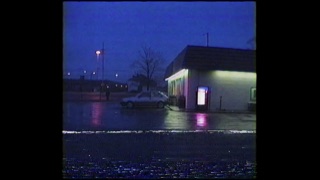
Scanlines, tracking noise, bleeding color and timestamp overlays: the degradation and on-screen displays of the home recording medium, stylized into the texture of recorded memory.
| Datamosh | VHS Aesthetic | |
|---|---|---|
| Era | 2005– | 1980s–2000s / 2010s revival |
| Family | Digital Image Techniques | Film Technology |
| Kind | Technique | Aesthetic |
| Cues | Melting, flowing frames / Macroblock debris / Motion vectors dragging pixels / Compression exposed | Scanlines and noise / Bleeding chroma / REC and timestamp overlays / Tracking distortion |
| Best used for | Music video where the cut itself becomes the spectacle and dissolves · Showing clouded memory or consciousness through how the image breaks | Footage meant to feel like an intimate private record from the late twentieth century · Horror and unease told through the degradation of the image rather than the plot |
| Type | Let type read for a few frames before the melt, then release it | Timestamps and REC markers set in period monospaced bitmap letterforms |
| Composition | Shoot both clips with matching motion to control the drag direction | Lock the frame to a 4 by 3 ratio and keep loose handheld framing |
| Material | Set compression first and choose keyframe intervals as a creative call | Bleed the chroma more than the luma, tracking errors coming and going |
| Caution | Melting the whole piece so nothing is ever recognizable, leaving no intact image for the collapse to work against. | Applying noise and scanlines evenly across everything, with no wobble and no uneven decay, so it still reads as modern video wearing a filter. |