Camp Fashion vs Pop Art
キャンプ・ファッション / ポップアート
Camp Fashion comes from Fashion History and Pop Art from Pop. They are reached for with some of the same intent, which is where they get confused.
Camp Fashion
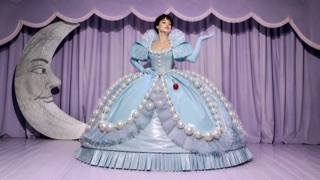
A sensibility that loves artifice, exaggeration, theatricality, parody and excess, enjoying the line between good and bad taste. Its force is not loudness alone but seriousness enlarged until it turns into humor and critique.
Pop Art
.jpg)
.jpg)
Amplifies the vocabulary of ads and comics until mass culture itself becomes the picture.
| Camp Fashion | Pop Art | |
|---|---|---|
| Era | 19th century– | 1950s–1960s |
| Family | Fashion History | Pop |
| Kind | Style | Style |
| Cues | Silhouettes exaggerated beyond bodily scale / Artificial materials and excessive ornament / Quotation from historic dress and popular culture / Humor, parody and theatrical posing | Halftone dots / Bold outlines / Primary colors / Repetition |
| Best used for | Costume and staging where exaggeration works as both joy and critique · Styling that knowingly collides high and low, classical and popular | Making products and campaigns pop instantly · Boldly reinterpreting familiar subjects |
| Type | Scale the title or mark to meet the costume's exaggeration while leaving the source of quotation legible. | Comic-style extra-bold lettering |
| Composition | Center the protagonist and push the silhouette and ornament beyond the frame. | Blow up the subject; panels and repetition |
| Material | Layer feathers, shine, metal, resin and vivid color without hiding their artificiality. | Red, yellow, blue, black outlines, halftones |
| Caution | Adding loud things at random has no intelligence of quotation or reversal; it is noisy costume, not camp. | Overusing comic marks trivializes the content. Decide what you treat as mass culture. |