Angura Poster vs Provoke
アングラ演劇ポスター / プロヴォーク
Angura Poster comes from Regional Graphics and Provoke from Photography Movements. They are reached for with some of the same intent, which is where they get confused.
Angura Poster
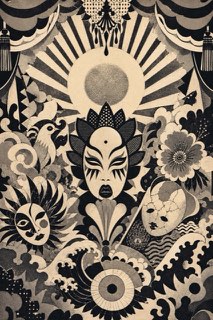
Yokoo Tadanori and his peers printed the posters for Situation Theatre and Tenjō Sajiki. Ukiyo-e, kitsch and psychedelia collide there in an excess that the world discovered as a revolt against modernism.
Provoke
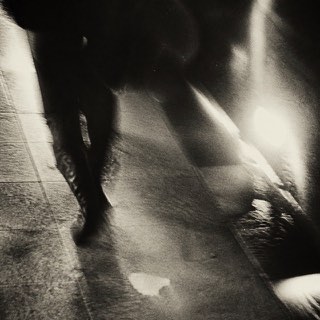
The magazine Provoke called itself provocative materials for thought. Working through are-bure-boke, coarse grain and blur and lost focus, it stripped photography of tidy meaning and gave seeing back its rawness.
| Angura Poster | Provoke | |
|---|---|---|
| Era | 1965–1975 | 1968–1970 |
| Family | Regional Graphics | Photography Movements |
| Kind | Style | Style |
| Cues | Ukiyo-e colliding with kitsch / Fluorescent silkscreen / Rising suns and Shōwa imagery détourned / The aesthetics of excess | Rough grain (are) / Blur and defocus affirmed / High-contrast black / Fragmentary framing |
| Best used for | Small-theatre and experimental performance bills that must defy respectable style · Work quoting Showa-era imagery and stopping a passerby through sheer excess | Photobooks and magazine spreads on the city and the body that permit roughness · Music or clothing campaigns aimed against polished advertising |
| Type | Mincho, sign lettering and Latin colliding on one surface, alignment broken on purpose | Type struck over the image and cropped, explanatory captions removed |
| Composition | One image at the center, the surround packed with detail and no white left | Full-bleed spreads with the image cut straight through the gutter |
| Material | Silkscreen including fluorescents, with metallics and spot colors overlaid | Pushed grain and crushed black, tone thrown away in exposure and development |
| Caution | Merely piling quotations turns excess into clutter and buries the title and dates the bill exists to announce. | Adding blur and grain afterward as an effect leaves pictures that are merely rough, because nothing changed in how they were taken. |