AfriCOBRA vs Nsukka Group
アフリコブラ / ンスッカ・グループ
AfriCOBRA comes from Black Arts Movement and Nsukka Group from Modern and Contemporary Art Movements. They are reached for with some of the same intent, which is where they get confused.
AfriCOBRA


Visualizes Black communal affirmation and political consciousness through blazing color, rhythm, lettering and Africa-centered images.
Nsukka Group
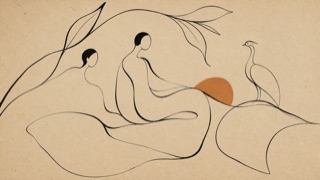
Around the University of Nigeria, Nsukka, Uche Okeke and later artists extended the flowing lines of uli body and wall drawing and signs including nsibidi into contemporary work on paper, print, textile and sculpture. Fine line and open ground carry narrative and abstraction together.
| AfriCOBRA | Nsukka Group | |
|---|---|---|
| Era | 1968– | 1970s– |
| Family | Black Arts Movement | Modern and Contemporary Art Movements |
| Kind | Style | Style |
| Cues | Kool-Aid colors / Rhythmic repetition / Letters and figures / Afrocentric imagery | Long flowing black lines with changing weight / Large negative shapes and open ground enclosed by line / People, animals and plants compressed into signs / Uli and nsibidi references crossing paper, textile, print and sculpture |
| Best used for | Posters for Black community events and music where color and rhythm are the subject. · Affirming words built into the image and printed to be carried and held up. | Turning land, body and story into contemporary signs through line and open ground · Developing a regional drawing practice across media rather than closing it into one surface pattern |
| Type | Bend the words along the figures so the slogan becomes structure, not caption. | Verify Igbo terms and the uses of uli and nsibidi; do not invent a sign string to simulate meaning. |
| Composition | Repeat one shape at even intervals so the eye keeps circling the surface. | Make only a few flowing lines primary and preserve their enclosed negative forms at equal strength. Simplify figures along the line's direction. |
| Material | Set near fluorescent saturated colors side by side, holding print flatness. | Preserve the line quality of ink, pen, dye and print matrix instead of converting it into a uniform stock pattern. Credit community and maker. |
| Caution | Copying only the intensity of color while dropping the community's words and faces stylizes the look and loses the purpose, which was affirmation. | Repeating uli as an African pattern is not the Nsukka lineage. Show its relation to women's body and wall drawing, its university reinterpretation and differences among artists. |